

Port of Antwerp: the first-ever departure of an electrically hauled train on Line 11
posted on 27th Jun 2026 11:11
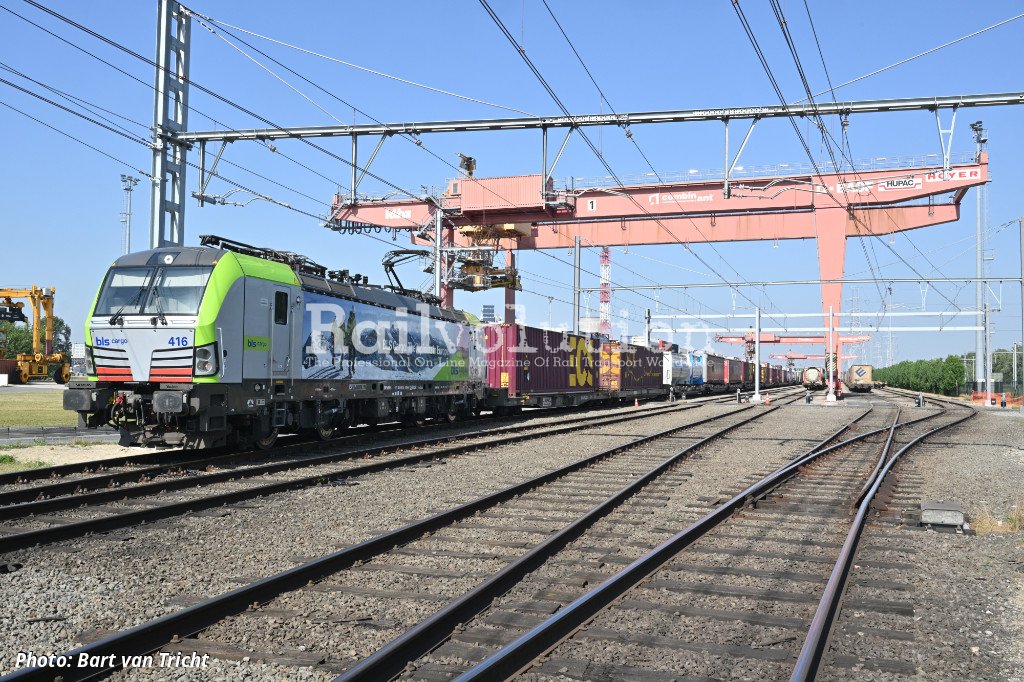
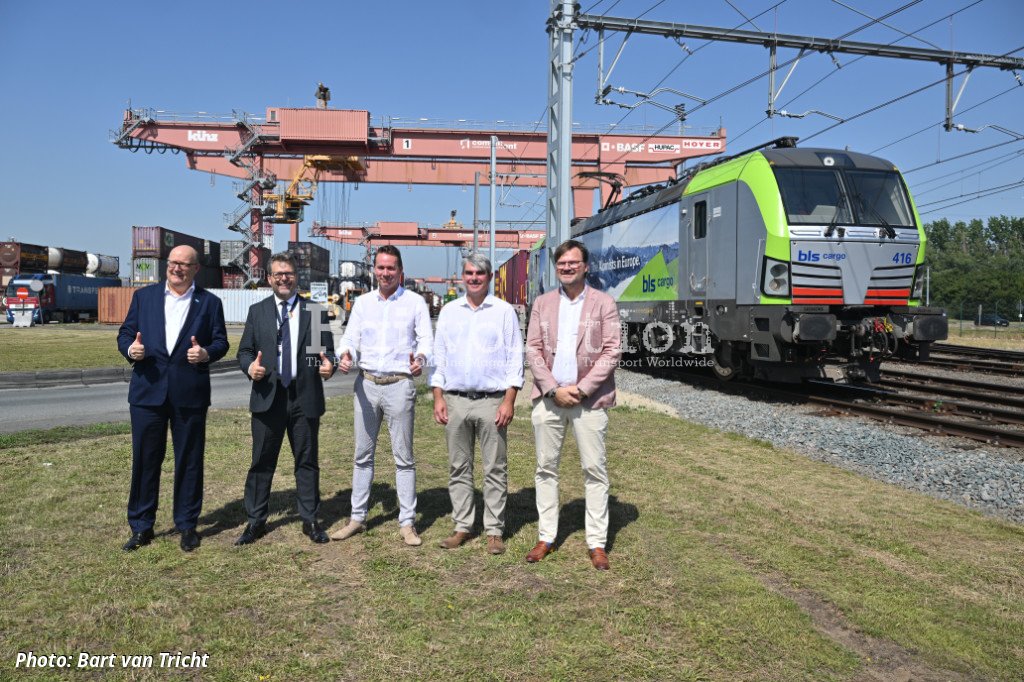
On 25 June 2026, the first electrically hauled freight train departed on the newly electrified, doubled and renovated Line 11 in the north of the port of Antwerp. With this, Infrabel, BASF and Combinant are entering the final phase of a large‑scale and strategic rail project in the Port of Antwerp.
In close cooperation, the three partners have spent recent years doubling and electrifying freight railway Line 11 (L11). Thanks to this joint investment, capacity will increase significantly, enabling freight transport to operate more sustainably, faster and more efficiently. The works are now almost complete, with only the construction of a new electrical substation still to be carried out. Full completion is scheduled for autumn 2026.
Line 11 is currently the most important rail link for the petrochemical cluster in the Port of Antwerp, serving major industrial and logistics users such as BASF and Combinant, while also providing a direct connection to the PSA North Sea Terminal. This line is essential for both production and intermodal logistics:
- 8 to 9 million tonnes of goods transported annually,
- roughly 25% of all rail freight to and from the port,
- 7,000 freight trains operated in 2025,
- on weekdays, an average of 20 to 30 trains per day.
Combinant and BASF are among the largest users of the line and play a major role in the success and continued growth of rail transport in the port. The line is therefore an indispensable link in the daily operations of both industry and logistics chains in the northern part of the port.
The project is the result of intensive cooperation between infrastructure manager Infrabel and industrial and logistics partners BASF and Combinant, who are also investing in rail capacity and electrification on their own sites. The works include:
- construction of a second track (5 km),
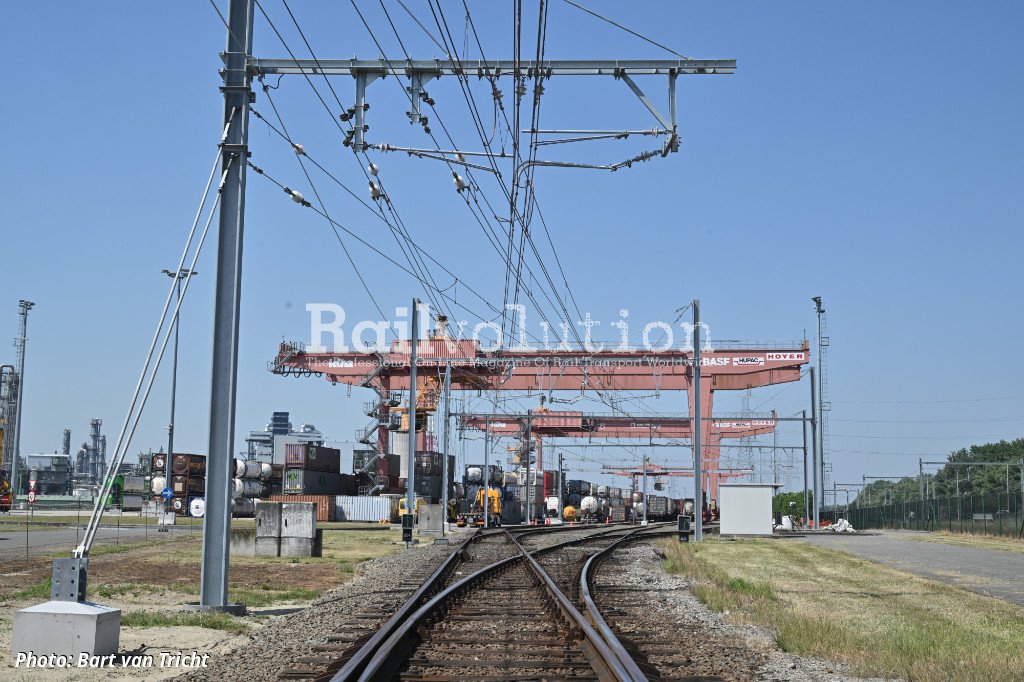
- full electrification of the line (18 km of overhead line),
- installation of 230 catenary masts,
- renewal of 10 km of rails,
- 8,350 sleepers and more than 25,000 tonnes of ballast,
- electrification of the rail connections of BASF and Combinant.
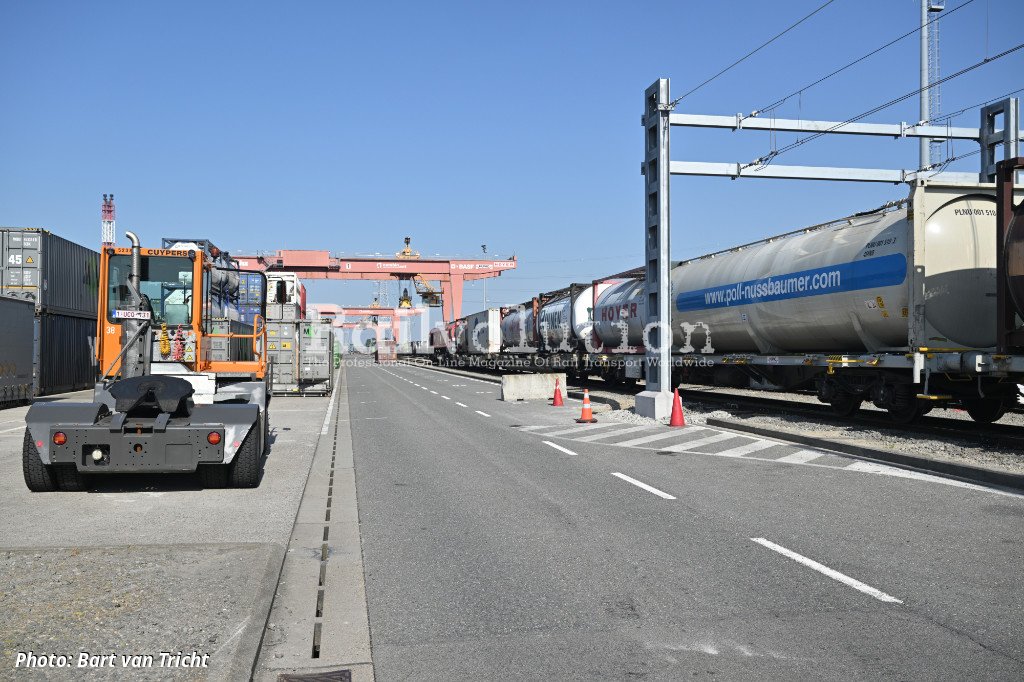
For BASF and Combinant, the project directly strengthens their logistics operations: electric traction becomes possible deep into the terminals, and capacity, reliability and flexibility increase significantly. These investments allow both companies to realise their ambition to shift more freight to rail. Ben Beirnaert, General Manager of Combinant: “With the electrification of the entrance, we strengthen Combinant as a sustainable intermodal hub and increase efficiency, resulting in structural cost reductions across the chain.”
Investment in sustainable growth and modal shift
The total investment on the public network amounts to 31.5 million EUR, of which:
- 17 million EUR comes from the European Recovery and Resilience Facility (RRF),
- the remaining 14.5 million EUR is funded by the federal government
In addition, BASF and Combinant jointly invested approximately 6 million EUR in their rail connections. For them, this project is an important step in their sustainability strategy:
- reduced dependence on diesel traction,
- lower CO₂ emissions,
- more efficient and scalable logistics.
Together with Infrabel, they actively contribute to the modal shift towards rail, a key objective within the port’s strategy.
The last phase of the project is the construction of a new traction substation in Zandvliet, near the BASF site. This substation guarantees a stable power supply for electric trains and supports the existing infrastructure, and prepares the network for further electrification in the port. The construction cost is approximately 3 million EUR and is partly financed through European funds.
Complex project, strong partnership
Works began at the end of 2024 and reached full speed from summer 2025 onwards. The project was carried out under challenging conditions:
- works mainly at night and during weekends,
- activities at BASF and Combinant continued during construction,
- limited space in the central reservation of the A12,
- complex logistics organisation
- strict European deadline (30 June 2026).
