

Infrabel deploys drones to improve train traffic flow
posted on 6th Apr 2026 10:13
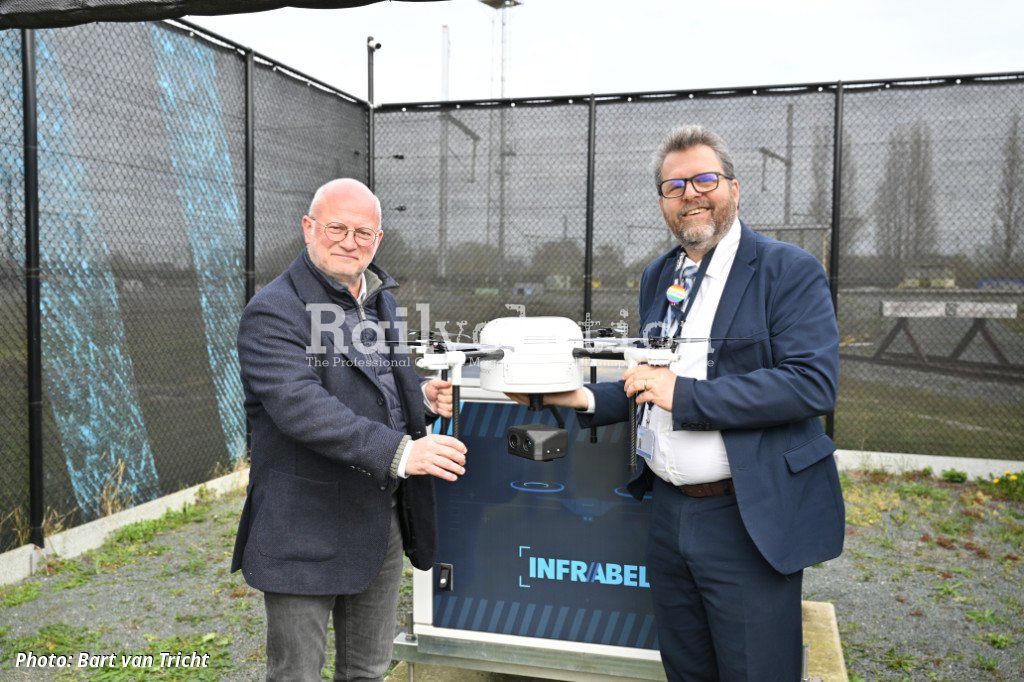
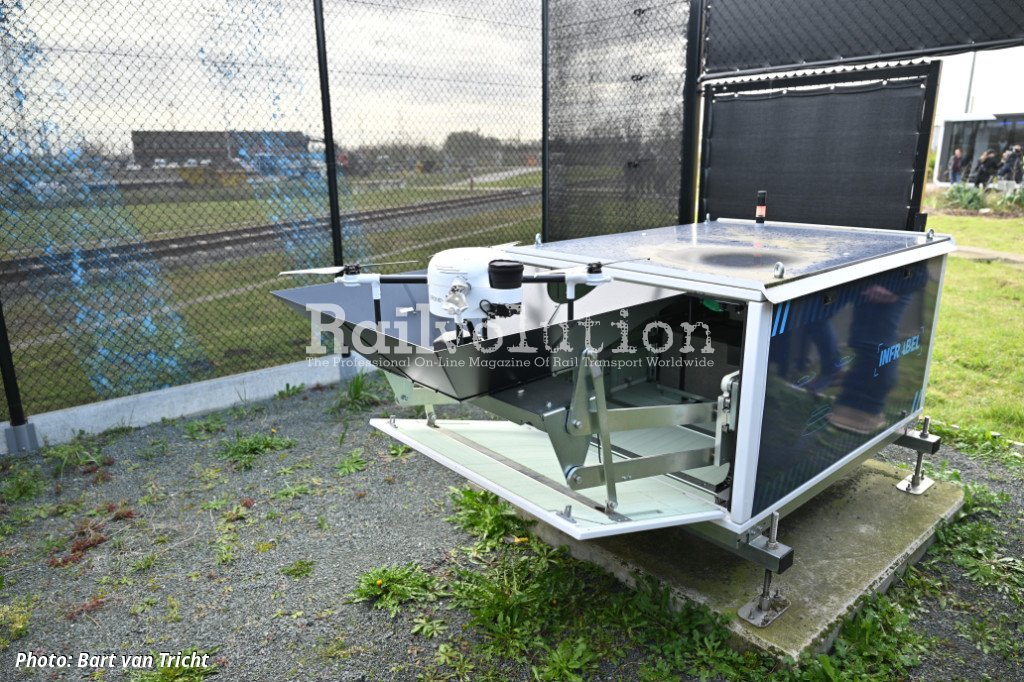
Infrabel aims to deploy more drones along the railway network in the future. For the railway infrastructure manager, drones act as “remote eyes”: they support train traffic management, assist during incidents, and improve the safety of railway staff. The results of an initial pilot project in the Port of Antwerp are highly positive. Infrabel therefore plans to gradually expand its drone programme across Belgium. However, an adapted regulatory framework is needed to ensure drones can be deployed quickly and efficiently.
In 2023, Infrabel launched a drone pilot testproject in cooperation with the Port of Antwerp as part of the European BURDI project, which focuses on the development of U-space. The latter enables the safe integration of drones into airspace, comparable to air traffic control for aircraft. This is essential for drone operations in complex environments such as urban and port areas. The Port of Antwerp proved to be an ideal test location.
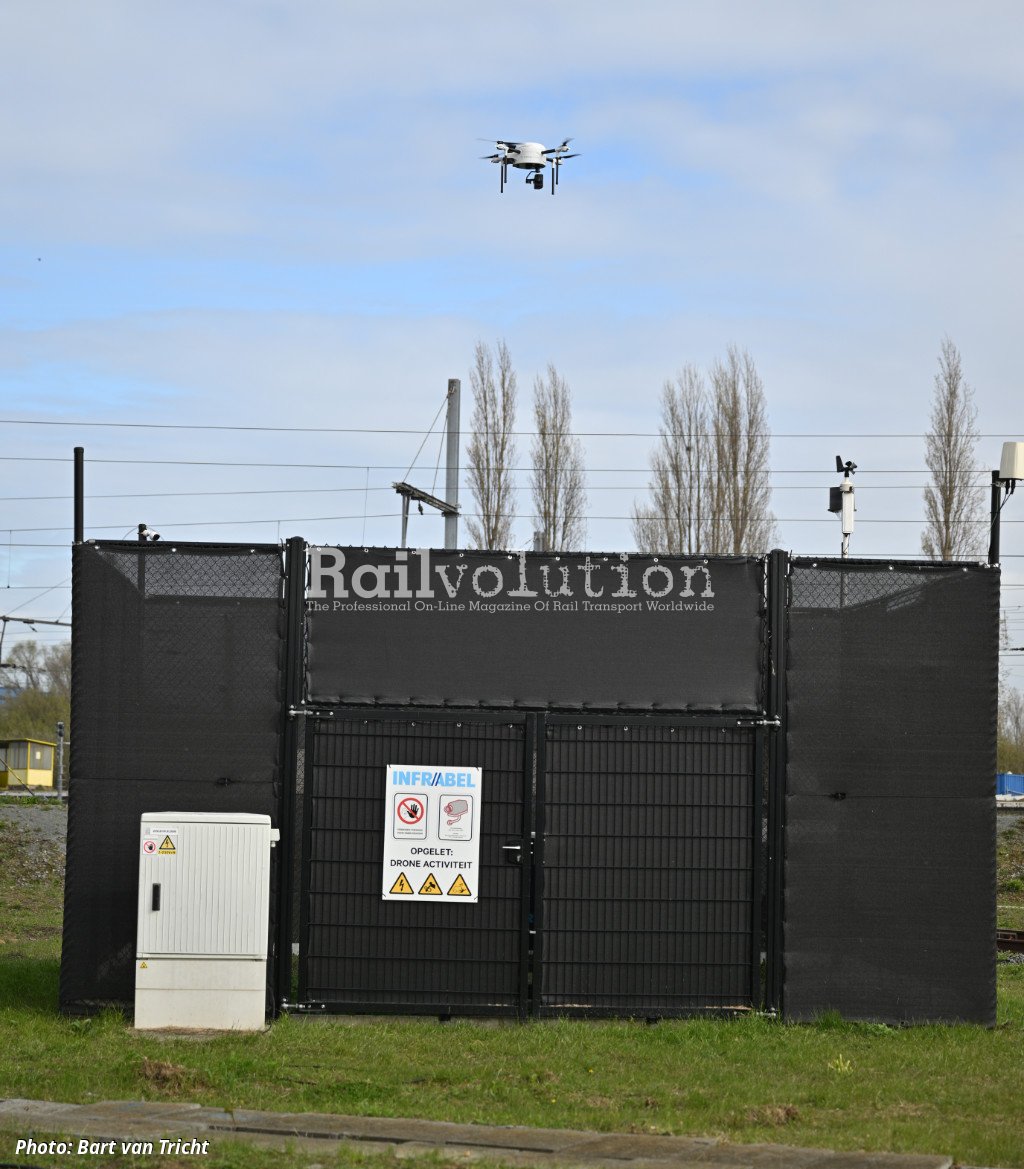
During the project, drones were deployed above the Antwerp-North marshalling yard and the Oorderen track bundle, both crucial hubs for freight traffic. The drones were used for two main applications: supporting train traffic and assisting during incidents.
In cases of operational issues, such as switch failures or signal malfunctions, a drone can quickly provide a clear view of the situation on the ground. Their added value is also significant during incidents. In the event of a derailment or accident, the drone first performs a reconnaissance flight: where exactly is the incident located, how extensive is the damage, and are there risks, for example involving hazardous materials? This information enables faster, safer, and more targeted intervention, and can be shared immediately with emergency services.
Drones are not affected by traffic jams or closed level crossings and can reach a location up to twice as fast as a road vehicle. The faster crucial information becomes available, the sooner train traffic can be restored. In the Antwerp port area alone, there are roughly 1,000 km of track in a logistics environment where every minute counts.
Some track bundles are equipped with fixed cameras to monitor train movements. Unlike these fixed systems, drones offer additional flexibility. They can get closer to an incident and provide high‑quality imagery. Moreover, drones are up to twice as cost‑effective as fixed camera systems.
Complementing human expertise
Human intervention remains essential. Infrabel’s specialised intervention teams - the Permanentie - remain indispensable during disruptions and incidents. Drones support these teams by taking over preparatory tasks, allowing staff to focus more quickly on their core responsibilities. Drones also have limitations: they remain grounded in bad weather and have limited flight time. They are therefore a tool, not a replacement for people.
Following the success in Antwerp, drones were also deployed in the Waasland Port, Vorst Rijtuigen, and Châtelet. Infrabel now coordinates the drone programme centrally from the national traffic control centre in Brussels, where around thirty drone pilots are being trained. Notably, Belgium’s first female BVLOS drone pilot (operating drones beyond visual line of sight) was trained at Infrabel.
Need for a clear regulatory framework
Today, Infrabel cannot always deploy drones immediately because Belgian airspace is fragmented into various geozones with strict rules. Around 60 % of the railway network lies within such zones. Infrabel is therefore requesting a State Flight status, allowing drones to be used within geozones.
In addition, Infrabel advocates – following the example of Germany and Spain – for the railway network to be recognised as a permanent geozone. Hundreds of illegal drones are detected above the railway each year, posing safety risks. Infrabel does not want to ban drones above the railway, but rather regulate and monitor them. A clear regulatory framework is essential. Infrabel welcomes the fact that Minister of Mobility Jean Luc Crucke has included this topic in his Mobility policy note.
Future
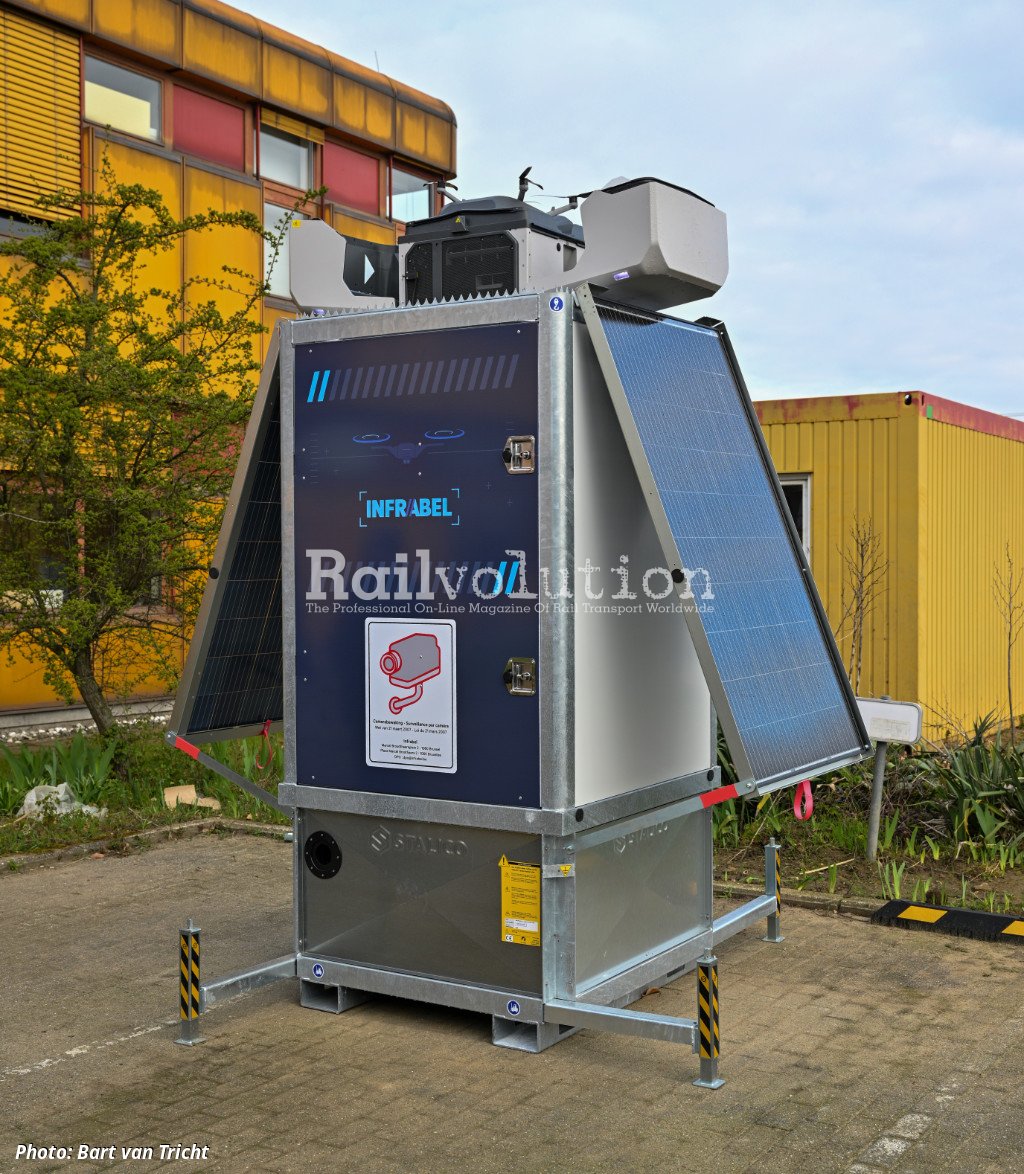
Drone technology is evolving rapidly. By 2027 - 2028, Infrabel aims to equip around 30 additional strategic track bundles with drones across Belgium, supplemented by 10 mobile drones. Applications will range from infrastructure inspections and site monitoring to cooperation with police services, always in compliance with privacy legislation.
