

Seibu Railway introduced a second batch of Sustena EMUs
posted on 25th May 2026 12:12
The private Seibu Railway (Seibu Tetsudō in Japanese) still operates trains without efficient electronic traction inverters. To achieve energy savings, the company decided to accelerate the transition to a fleet equipped with traction inverters by 2030, which is achieved by purchasing both new trains and acquiring used EMUs from other private railways, which are promoted as "Sustena vehicles" (a reference to the English word "sustainable").
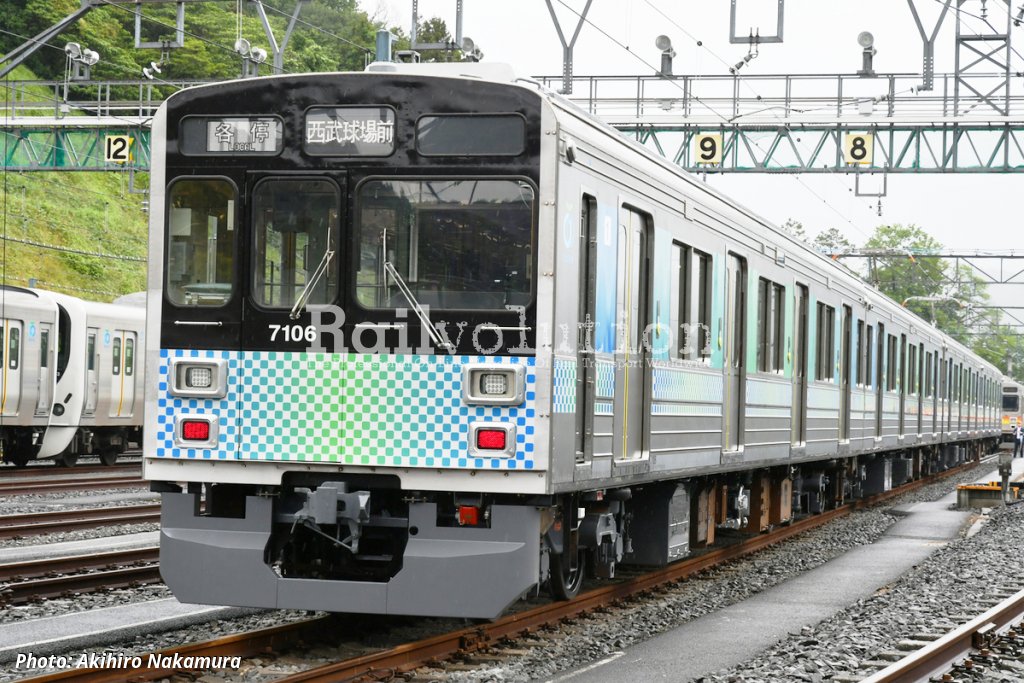
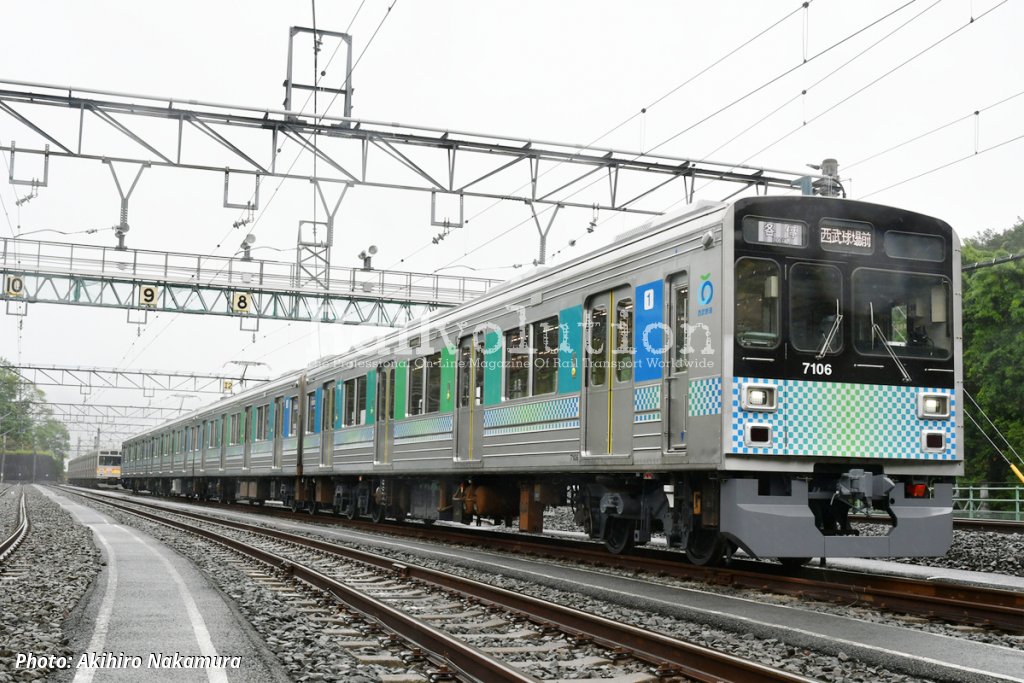
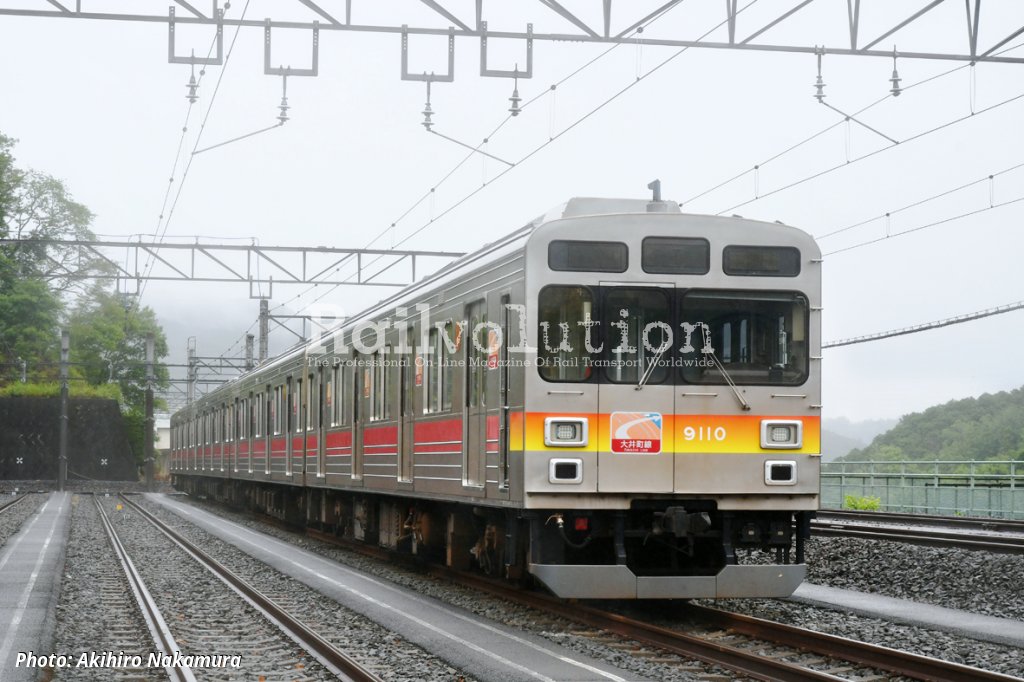
This brings us to the second phase of the aforementioned initiative. Seibu has introduced upgraded four-car Class 7000 EMUs, which were previously operated by the private Tokyu Railway as five-car Class 9000 EMUs. The stainless steel bodyshells of these EMUs have been repainted in the Seibu colour scheme (although most of the surface remains bare metal). The previous red and orange Tokyu livery has been changed to a blue and green checkerboard pattern similar to that of the Sustena Class 8000 trains.
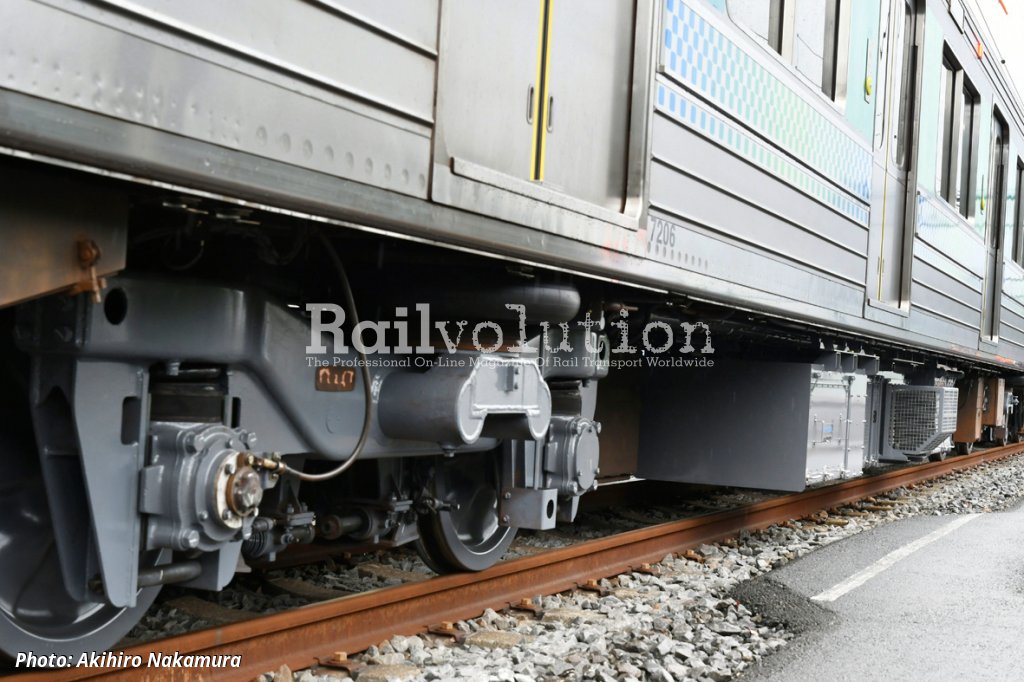
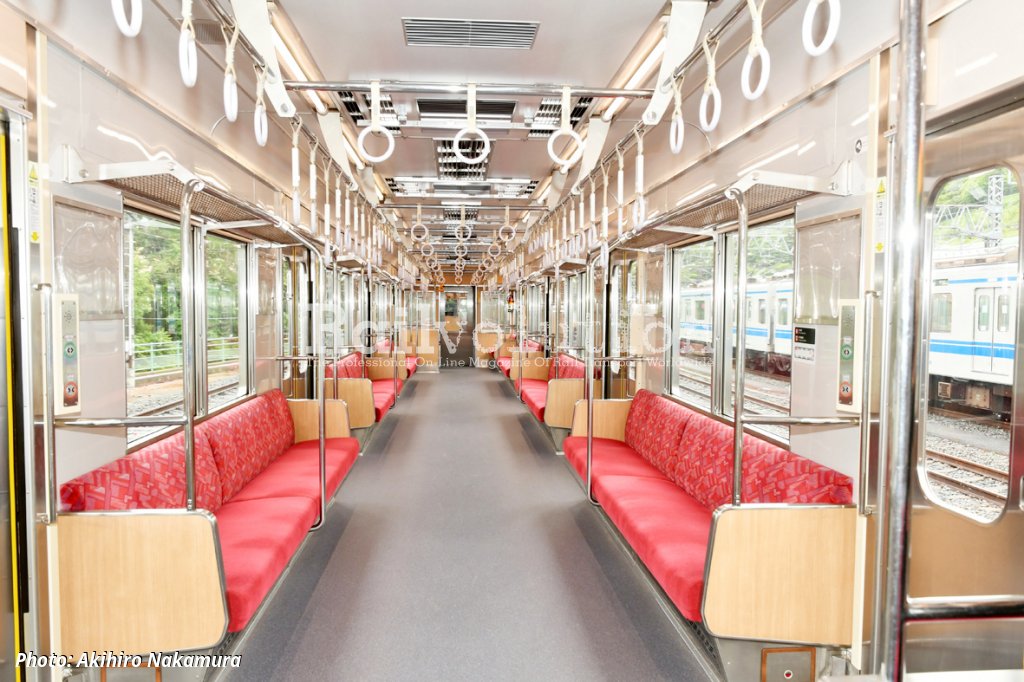
The trains now have new traction inverters; the original Hitachi-made GTO thyristor-based inverters have been replaced with modern IGBT traction inverters supplied by Toyo Denki. The auxiliary inverters were replaced as well. The four-car formation consists of two non-powered end cars and two driving intermediate cars. The flooring and ceiling materials in the interiors have been renewed. Speakers have been installed above the door open/close buttons to notify passengers of the door status. Each car now has an area for wheelchairs.
The first modernised Class 7000 train is expected to be introduced on the Sayama Line on 27 June 2026. Around 60 cars are to be transferred from Tokyu to Seibu. The Sayama Line is a 4.2 km branch line in Saitama Prefecture, branching off from the Seibu Ikebukuro Line at Nishi-Tokorozawa Station. With one intermediate stop, it ends at Seibukyūjō-mae, where it is possible to transfer to the Seibu Yamaguchi Line (Leo Liner).
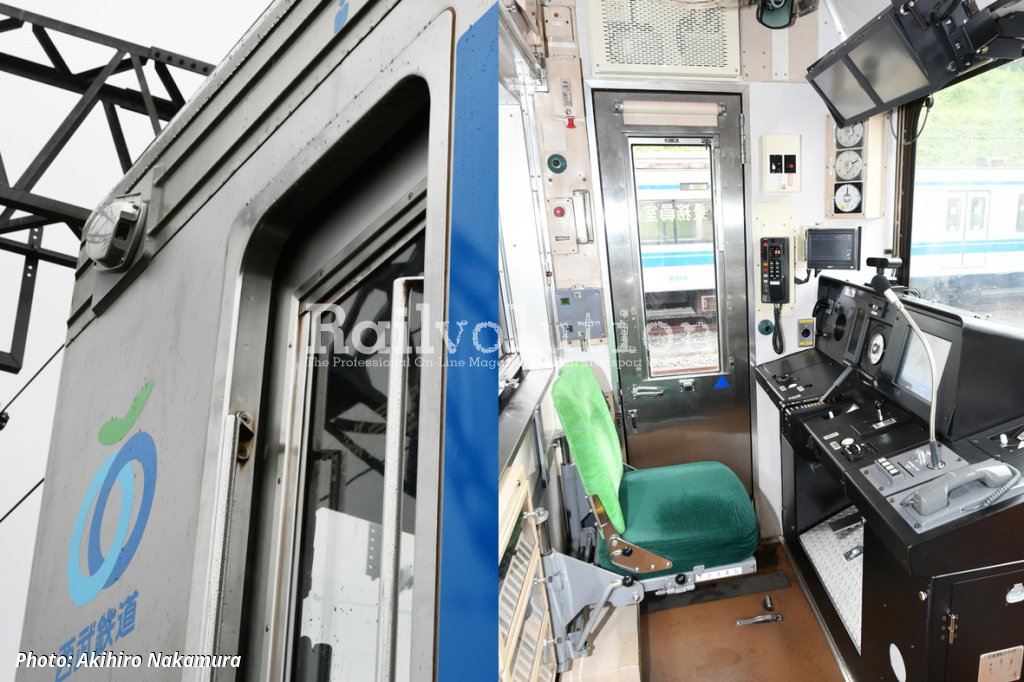
As the Class 7000 operates using a 'one-man system' (in the context of Japanese railways, this means that there is no conductor to control the doors, make announcements and monitor passenger flow and safety), CCTV has been installed on the side of the train to provide the driver with a view of the area around the train. This system automatically detects passengers approaching the train and also monitors door operation safety (e.g. restrained passengers). JR East trains have this equipment, so Sobu has implemented it with technical support from JR.
