

Official inauguration of the renewed Groenendaal station
posted on 19th Mar 2026 06:55
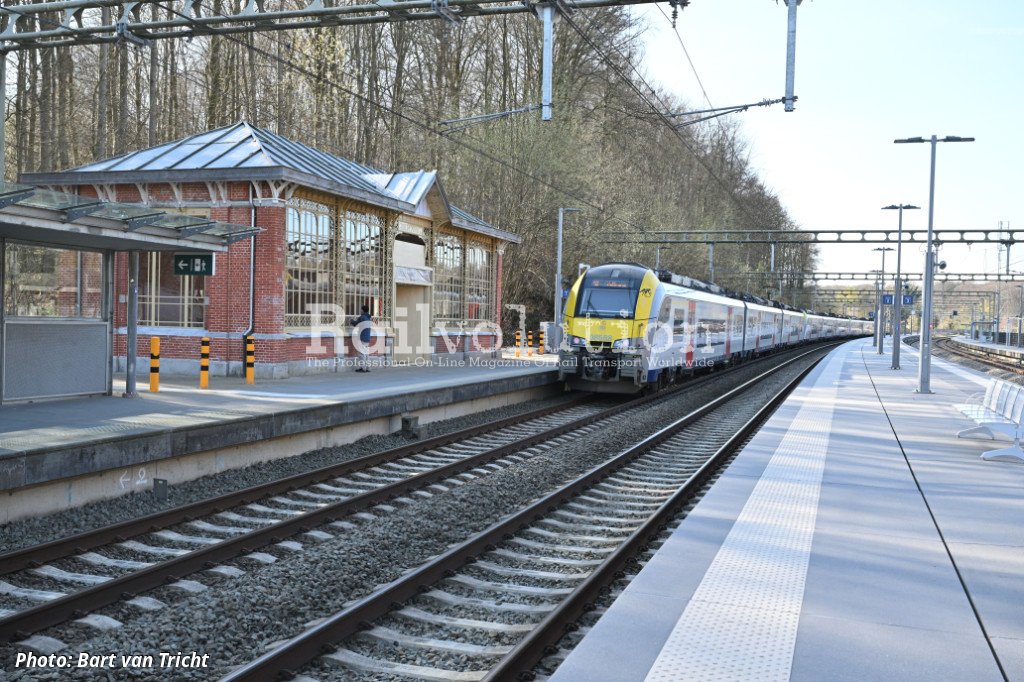
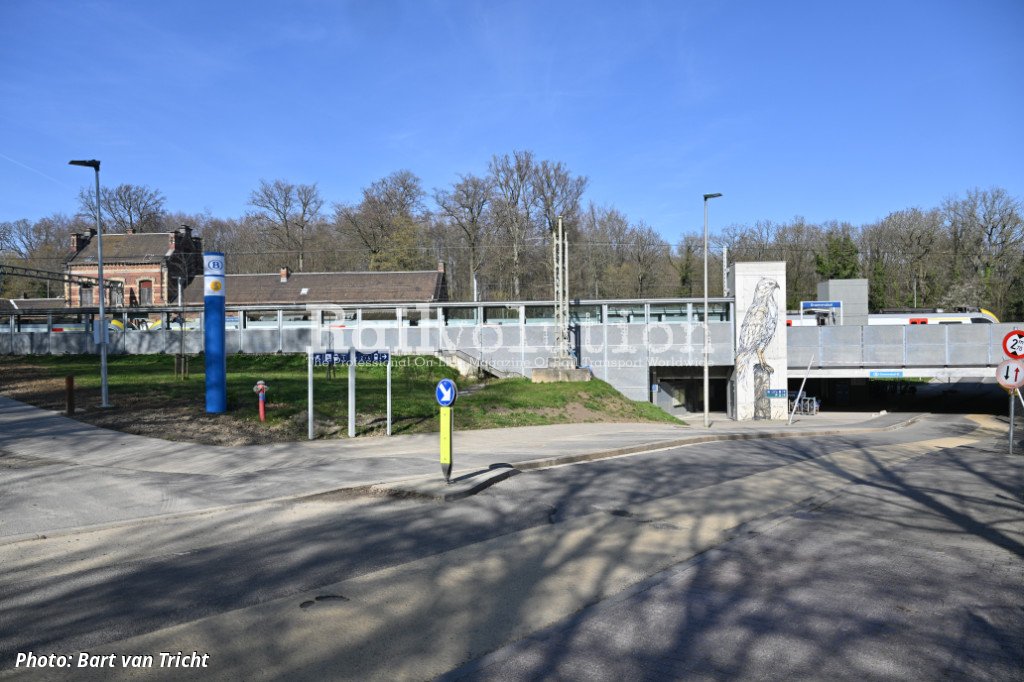
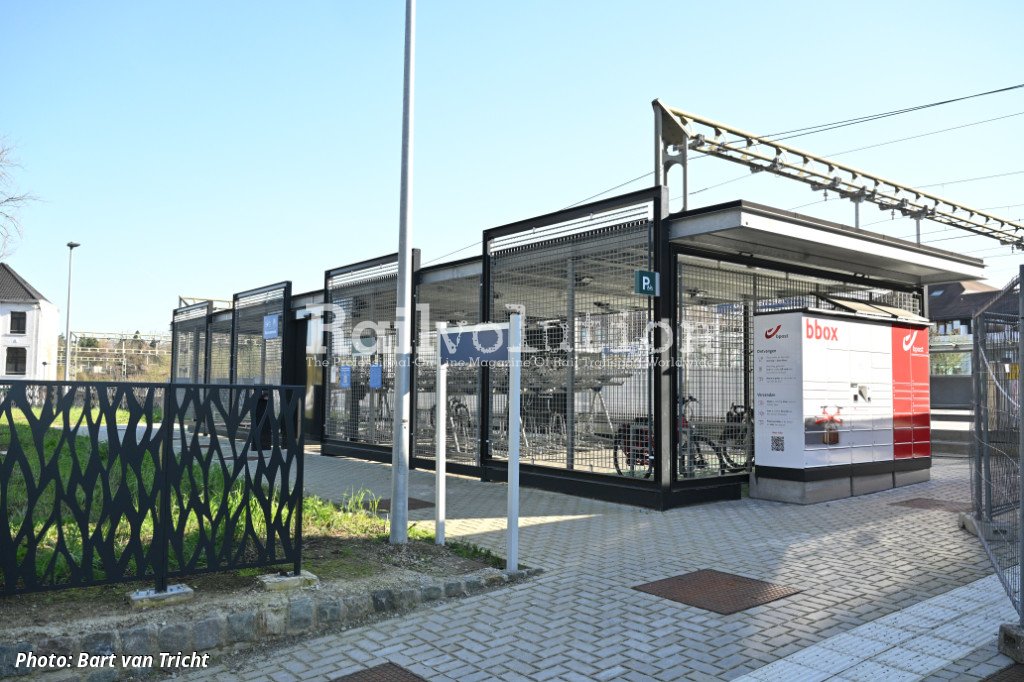
On 18 March 2026, the renewed station of Groenendaal and its surroundings were officially inaugurated. Thanks to excellent cooperation, the station - located at the edge of the Sonian Forest - has grown into an accessible and comfortable transport hub. The platforms have been renovated, a new car park and secure bicycle parking have been added, as well as a bus stop, and the station square has been completely redesigned.
The old shelter, which SNCB is close to finishing, will receive a new purpose later this year. The station building will also be restored to its former glory. As a result, the municipality of Hoeilaart now has two stations within its territory: Hoeilaart and Groenendaal, together serving a total of six thousand passengers per week.
At Groenendaal station, an average of 4,000 passengers take the train each week. On weekdays, six suburban S‑trains stop there every hour, three in each direction. The station is part of the Brussels S network, offering direct connections to and from the European Quarter, Aalst, Anderlecht, Brussels, Hoeilaart, Louvain‑la‑Neuve, Ottignies, and Zottegem.
In September last year, the train service was expanded from two to three S trains per hour. This followed the commissioning of two additional tracks built by Infrabel between Watermaal and La Hulpe as part of the Regional Express Network (GEN). This increase in capacity contributes to smoother train traffic and improved punctuality. When Infrabel completes the four‑track upgrade of the entire Brussels - Ottignies line in December this year, SNCB aims to increase the weekday service in both directions to four S‑trains per hour at both Groenendaal and Hoeilaart.
The renewal of the station and its surroundings is the result of a collaboration between SNCB, Infrabel, De Lijn, the Province of Flemish Brabant, the Agency for Nature and Forests, and the municipality of Hoeilaart. SNCB alone invested seven million euros in the project.
Autonomously accessible, now with assistance available
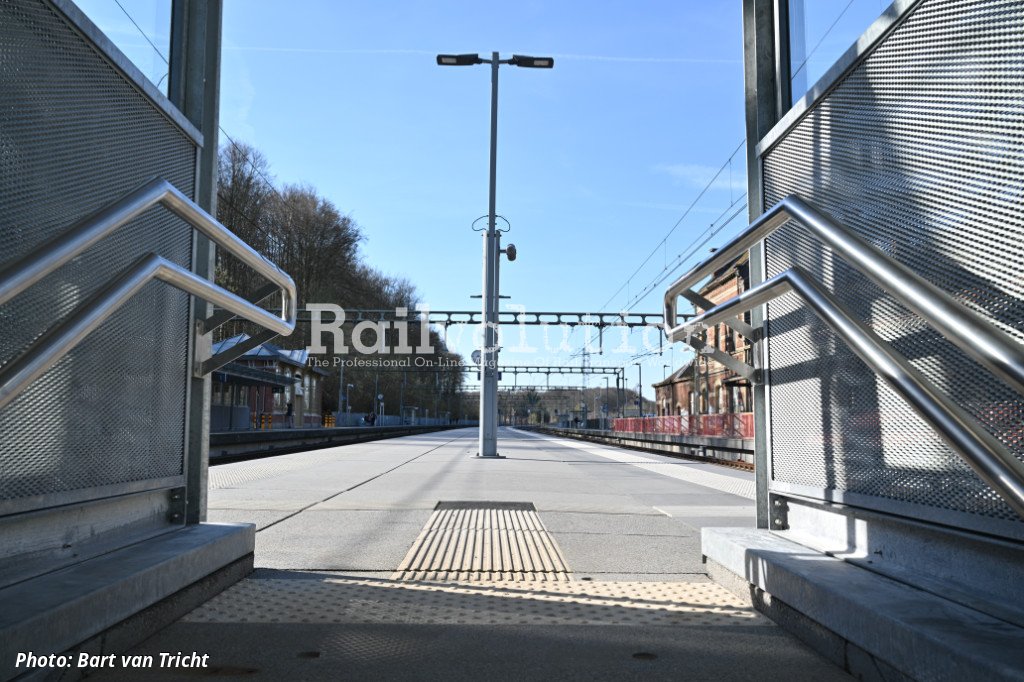
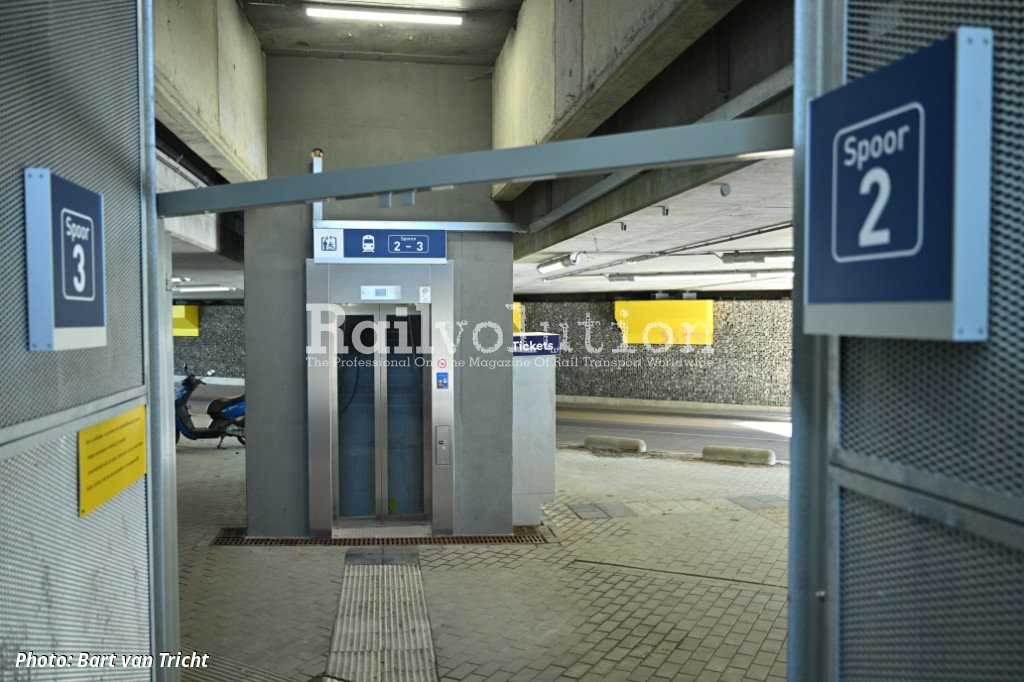
The station like Hoeilaart is autonomously accessible. This means that all passengers, including those with reduced mobility or those carrying heavy luggage or a stroller, can safely and comfortably board the train. To achieve this, SNCB and Infrabel renovated and raised the platforms by nearly half a metre to 76 centimetres, matching the boarding height of the newest trains. All platforms are accessible via a lift or ramp.
The station is equipped with tactile paving and guiding lines for blind and visually impaired passengers. New shelters and benches were installed on the platforms. Lighting was renewed, and the station is now equipped with CCTV. Infrabel also renewed the tracks, overhead lines, signalling, and several railway bridges at Groenendaal - just as in Hoeilaart.
Since the beginning of this month, passengers with reduced mobility can request assistance at Groenendaal, following the introduction of this service at Hoeilaart in December 2025. This allows wheelchair users, among others, to rely on help from the train conductor when the train is equipped with a boarding ramp. Assistance can be requested up to 24 hours in advance, by phone, via the website, the NMBS Assist app, or through social media.
The station has developed into a fully‑fledged transport hub, allowing passengers to easily switch between different modes of transport. On the site of the former freight depot, SNCB built a new car park with 247 spaces, including several for people with reduced mobility. Charging stations will be added later this year. Cyclists also benefit from more space and comfort. Since July 2025, the station has had a new secure and covered bicycle parking facility with 88 spaces. Together with the 48 free spaces under the railway bridge, the station now offers 136 bicycle parking spots.
The new De Lijn bus stop connects seamlessly with the station and strengthens multimodal accessibility. Thanks to improved transfer options, it is easier for passengers to combine train and bus. This further anchors Groenendaal in the regional mobility network. During peak hours, a bus stops every fifteen minutes (lines 70 and 71), supplemented by three school buses. The rest of the day, a bus stops every half hour (line 700).
The station surroundings also underwent a major transformation. Nearly 5,000 m² of paved surface on the station square was removed and turned into a green meeting place. In total, 66 trees and 6,000 smaller trees and shrubs were planted. The station is now more than ever a gateway to the Sonian Forest, one of the greenest areas in the country.
Renovated shelter to receive cultural purpose
The shelter on platform 1, dating from the late 19th century, is currently being thoroughly renovated by SNCB in consultation with the Heritage Agency. In the coming months, the building will be given a new purpose as De Ateliers Samenloop, an artistic, cultural, and educational studio project open to the public. This cultural function adds a new dimension to the station. It becomes not only a place of arrival and departure, but also a place of meeting and creation.
The station building itself also has a new future, thanks to close cooperation between its new owner - a hospitality group - and the municipality of Hoeilaart. The ambition is to fully renovate the building in 2027, with support from the Flemish government and with respect for its heritage value, turning it once again into a valuable place for passengers and local residents.
