
Re-Compact - the Lazzerini's 100% recycled seat
posted on 22nd Apr 2026 09:52
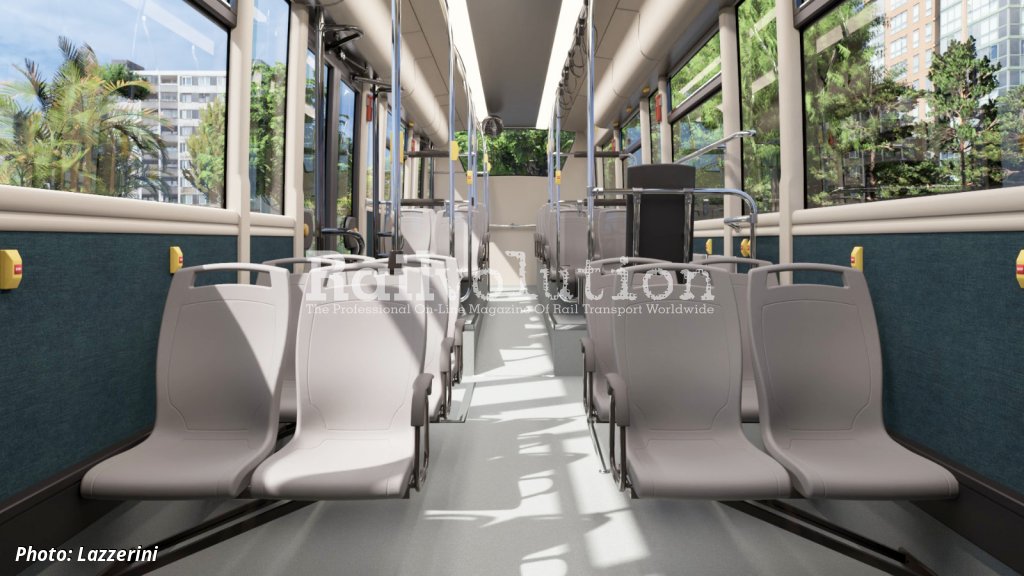
A seat made entirely from recycled plastic offering a tangible example of circular innovation applied to transport design. This is the project Lazzerini is presenting at “The New State of Materials”, the exhibition-event curated by Materially on the occasion of Milano Design Week 2026, the world’s leading design and furniture event.
The Re-Compact seat is the result of a collaboration with NEXTCHEM and represents a virtuous industrial model capable of transforming post-consumer plastic into a high-performance product, designed to last and to re-enter the production cycle.
Thanks to NEXTCHEM’s proprietary NX Replast technology - applied at the Bedizzole plant of its subsidiary MyReplast Industries - post-consumer plastics undergo advanced chemical treatments. The material is purified and regenerated, becoming once again a high-quality raw material through an innovative mechanical upcycling process that overcomes the limits of traditional recycling. The result is a technical compound: a polymer with performance comparable to virgin materials, developed to ensure strength, durability, and aesthetic quality.
With Lazzerini, the compound leaves its elemental form and becomes a seat through a design process that integrates engineering, ergonomics, and safety - key requirements in the public transport sector. The outcome is a product that combines functionality, robustness, and design, made entirely from recycled plastic and conceived to last over time and re-enter the production cycle, within a potentially multi-cycle reuse system.
In addition, Lazzerini seats are treated with PURETI photocatalytic technology. Activated simply by light, the treated surfaces eliminate smog, viruses, bacteria, and pollutants, becoming self-cleaning and contributing to improved air quality.
“The New State of Materials” installation visually narrates this process through a series of plexiglass cubes containing the granules produced using NEXTCHEM’s NX Replast technology, placed alongside the Lazzerini seat that represents their concrete application. A dialogue between material and design that makes transformation tangible and shows how sustainability can become an experience.
