

Serenza - the new trains for LNER
posted on 5th Feb 2026 11:12
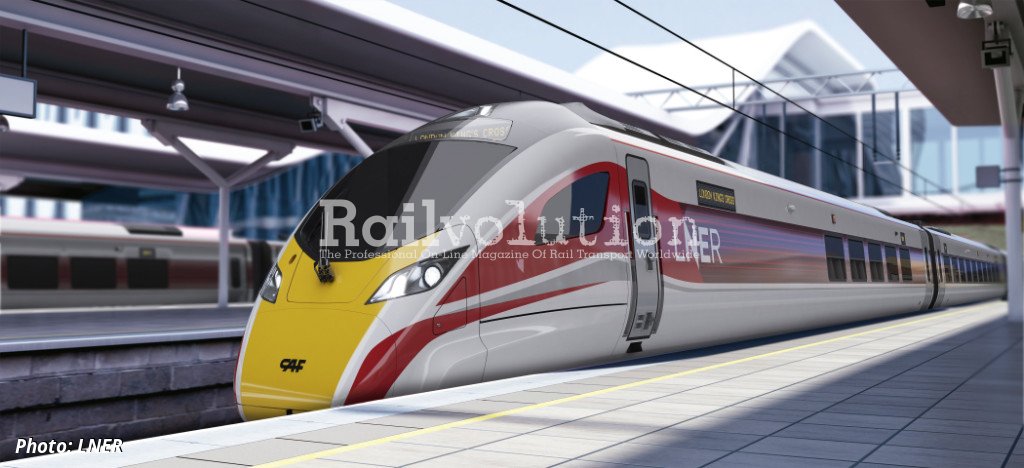
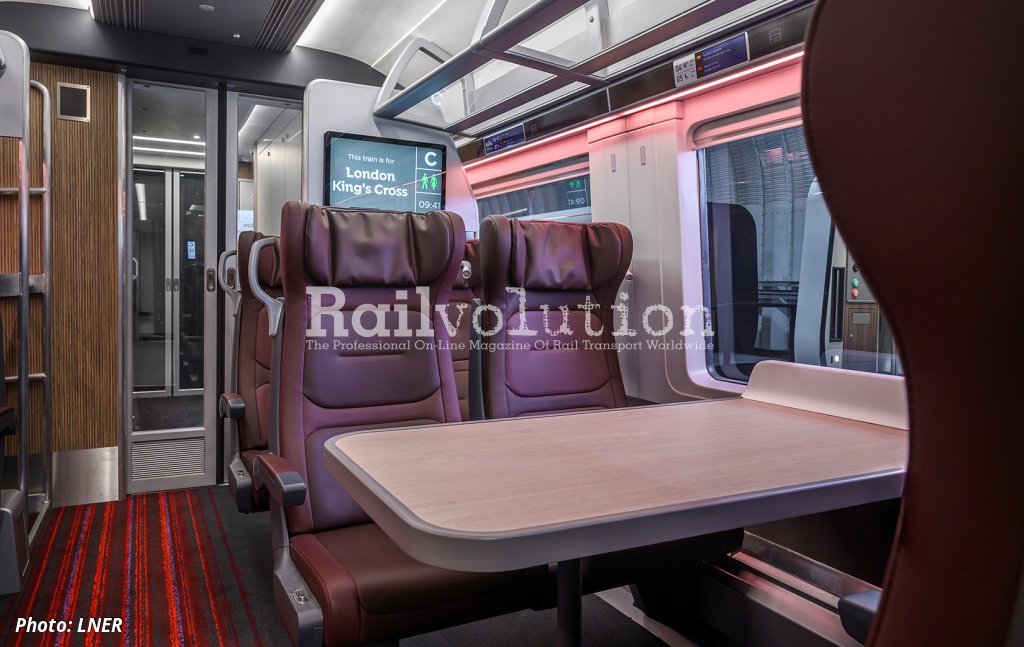
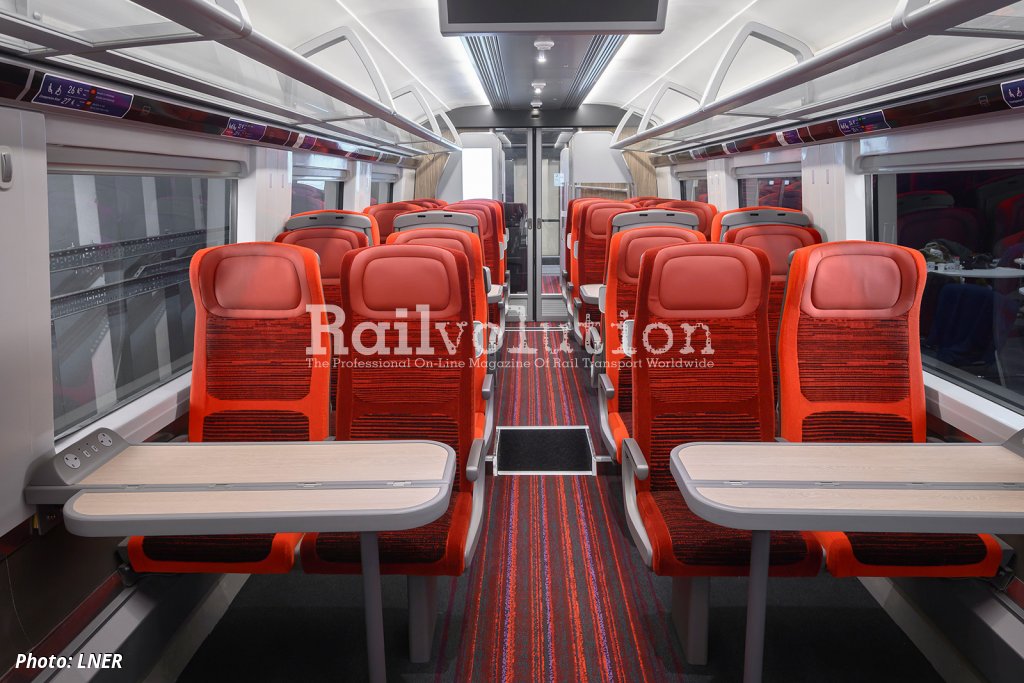
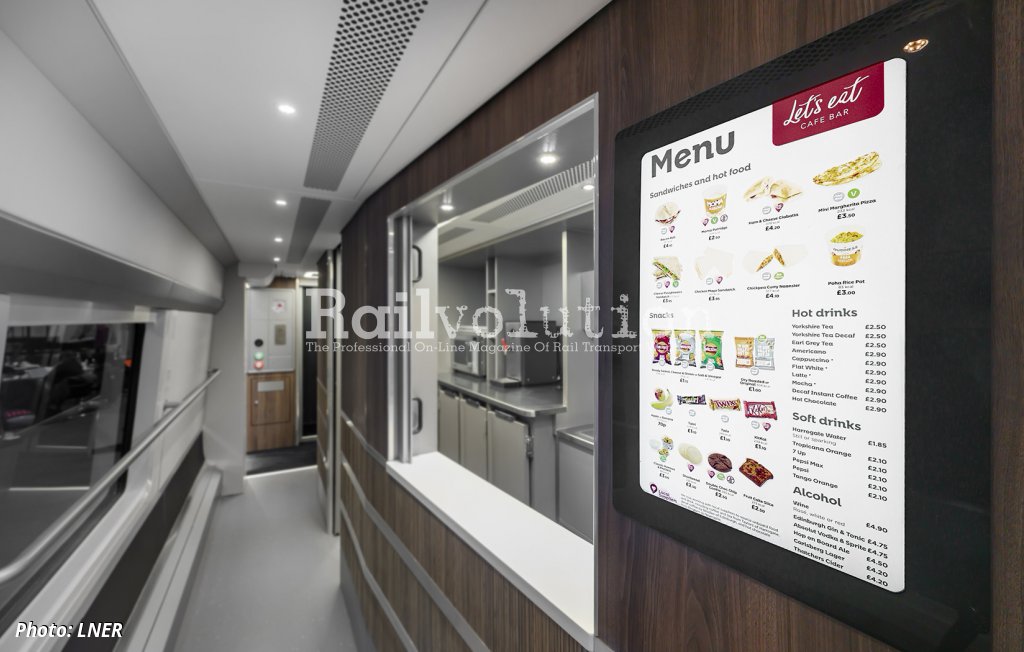
The 10 new Class 897 trains will be the first new fleet introduced as part of GBR, and will join the LNER's existing Azuma trains in the coming years. LNER has released a fleet name and the latest interior images of the Civity UK tri-mode trains ordered in 2023, built by CAF and financed by Porterbrook. The images are from a full-size mock up of the interiors that have been built as part of the project.
The new fleet will help support and accommodate strong demand for rail travel on the East Coast Main Line. Since COVID-19, LNER has seen a year-on-year increase in customers, with more than 24 million passengers in 2024 - 25. The introduction, in December 2025, of a new, transformative timetable has brought an extra 60,000 seats per week across the route, and new CAF-built trains will further grow capacity and reliability.
As the UK’s rail industry progresses towards Great British Railways (GBR), the Class 897 trains will be the first new fleet introduced as part of GBR. The trains will be operated under Great British Railways and will be branded as such on their interior and exterior. To help them stand apart from the existing Azuma fleet, the Class 897s will be named ‘Serenza’*. The name is a hybrid of ‘serene’ and the Spanish-style suffix ‘-enza’, evoking a feeling of peacefulness and calm, combined with energy, movement, and modernity.
The Class 897 trains will be the first long distance trains in the UK to be tri-mode, able to run on overhead electric power, alongside diesel engines and batteries when there are no overhead wires. The 10-car unit will each have a total of 569 seats across Standard and First Class, alongside wheelchair spaces with companion seating.
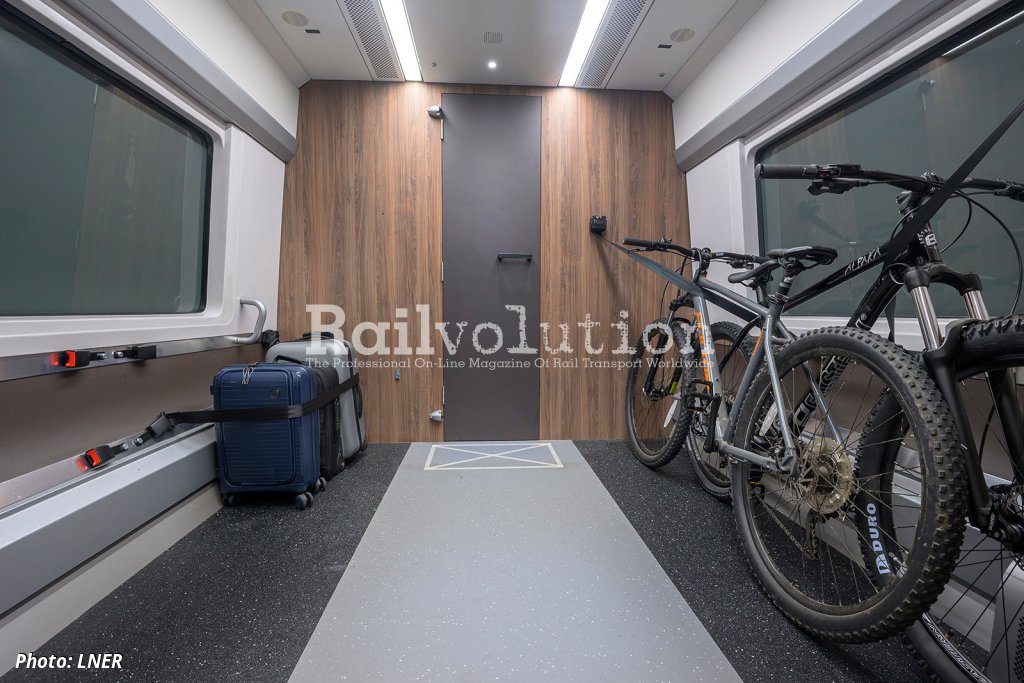
Customers will benefit from improved seating comfort in both Standard and First Class, with the ability to recline in First Class. New digital screens in each car will keep customers up to date with the latest live journey and safety information. Customers will also be able to stay hydrated on the move with the introduction of five water bottle refill stations throughout the train. For cyclists, LNER has listened to and acted on feedback, fully redesigning bike storage areas with easy-to-use bike straps enabling customers to quickly and efficiently secure their bike while travelling by train.
New, softer lighting, including mood and table lighting in First Class, has been designed to provide customers with a more comfortable journey, especially when travelling during early mornings and evenings.
LNER has worked closely with its Accessibility Forum to introduce new features on the Class 897 fleet to make journeys easier for disabled customers and those needing additional assistance. Tables have been redesigned to give more room for wheelchair users, seat legs have been moved, creating additional space for assistance dogs, a grab rail has been installed along the full length of the Café Bar, additional luggage racks will be in carriages with wheelchair spaces to reduce the likelihood of luggage misuse, and braille seat numbers will feature helping visually impaired customers find their seat more easily.
Overall, a total of 47 recommendations were made by the panel, with the vast majority acted upon and included in the design. As with the LNER Azuma trains, each seat will have its own plug socket, along with the introduction of USB-C ports for phone charging. At table seats, sockets and USB-C ports will feature in a power bar on the tabletop.
For Standard Class passengers, there will be a new and improved Café Bar, stocked with delicious food and drinks from local suppliers along the LNER route. Digital menu screens will show, in real-time, what is available to be enjoyed. Toilet facilities have been redesigned with customer feedback in mind, featuring an improved wash basin design, baby changing tables, and clearer signage in accessible toilets.
The train’s tri-mode capability will allow them to be utilised across the entire LNER route if required, a route that stretches close to 1,600 km. Their introduction will help LNER to be an even more environmentally friendly way to travel, using battery power rather than diesel engines on the approach to and departure from station calls that do not have overhead electric power. While most of the design of the fleet’s interior has been agreed, some minor changes may still be made until the project reaches design freeze.
The new Class 897 trains will replace LNER’s InterCity 225 fleet, which is close to 40 years old. The East Coast stalwarts have carried hundreds of millions of customers over their lifetime and are now in their swansong years. The new fleet will be introduced in the coming years, with further details to be released as the project progresses.
We asked LNER when these trains will be delivered, and what are the main technical data of the vehicles (axle arrangement, voltage, traction power, brake power, maximum speed, dimensions, weights, etc.). LNER answered us: "We’re working hard with CAF to deliver the trains onto the East Coast Main Line as soon as possible. Further information will be released in due course. The trains will run at a maximum permitted speed of 125 mph (201 km/h) on the ECML, but will be tested up to 137 mph (220 km/h). Any further information will be released in due course."
