

ELBAHU II
posted on 9th Apr 2026 19:20
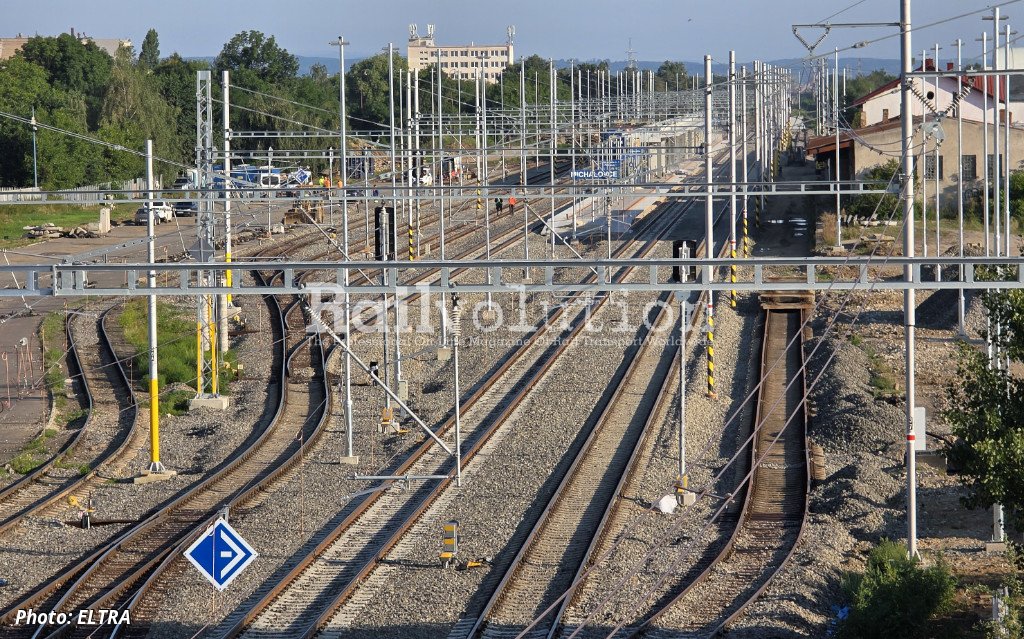
The absence of service at the mentioned five stops somewhat clouds the impression of the entire project. The ELBAHU included not only electrification and renovation of the tracks, but also a comprehensive modernization of the stops and their surroundings, because without quality infrastructure, it is impossible to attract passengers to use the railway in the long term. The platforms were designed based on passenger frequency data provided by the operator (ZSSK) and the applicable regulations of ŽSR.
At the time of project preparation, i. e. about 15 years ago, all stops in the affected section were served by trains, but the passenger frequency was low and the technical condition of the facilities corresponded to this: the platforms often did not have quality surfaces, lighting or barrier-free access, and the access roads were not prepared. The reconstructed line is to serve for another 50 years, and without appropriate infrastructure at the stops, it would be difficult to motivate the public to give preference to public transport.
This deficiency has now been eliminated and the quality of the facilities corresponds to current habits. However, this alone is not enough - for this approach to be successful, there must be objective prerequisites for a possible growth in interest in rail transport, namely, a sufficient population in the served area. And this does not occur everywhere.
However, the reality is that the absence of passenger trains to serve the named municipalities in the Bánovce nad Ondavou - Strážske section existed for years before the electrification of the line, precisely because of the low transport frequency, at which it is not economically justified to send separate stopping trains. It is difficult to reach residents of municipalities with rail transport in which the line runs on the outskirts of the municipality or at a greater distance from the built-up area, while the road passes directly through settlements and offers the possibility of a faster connection by bus or individual car transport.
The population
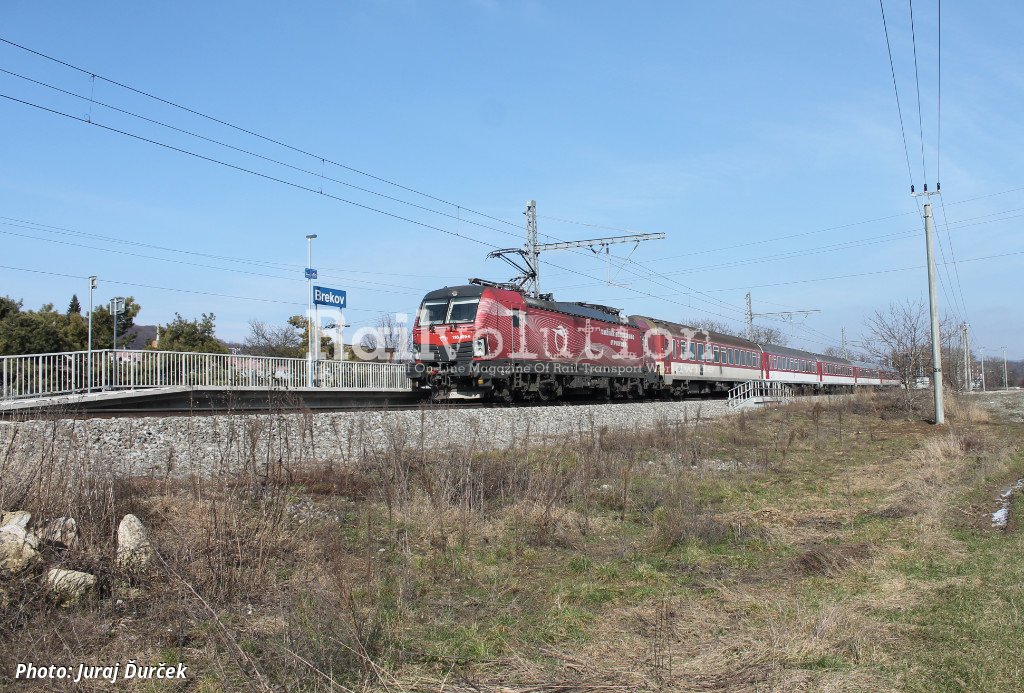
As everywhere else, everyone who can, for maximum comfort, buys a passenger car, especially in the countryside and especially people of working age, who, unlike young people and seniors, do not travel by rail in Slovakia for free. So for how many people is train transport attractive in municipalities with lower population numbers? For information see the approximate figures: Pusté Čemerné 370 inhabitants, Bánovce nad Ondavou 700, Laškovce 770, Petrovce nad Laborcom 1,130, Brekov 1,300 and Nacina Ves 1,840.
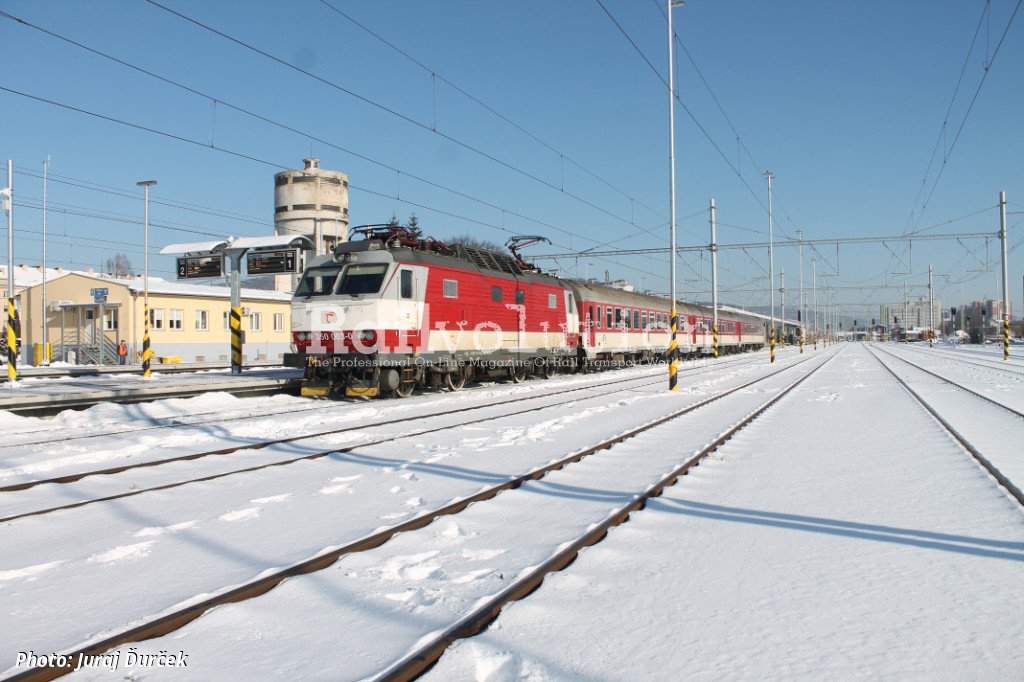
In such an environment, it is logical that overregional transport takes over the main role, in this case REX trains, which connect Košice (the city itself with a population of approximately 224,000) with the larger cities of Strážske 4,170, Trebišov 22,780, Humenné 29,560 and Michalovce 35,310 inhabitants (plus the touristically important Zemplínska Šírava area). In addition, there is a trend here (known also from elsewhere) that the region is emptying out and young people are leaving for Košice or even further afield.
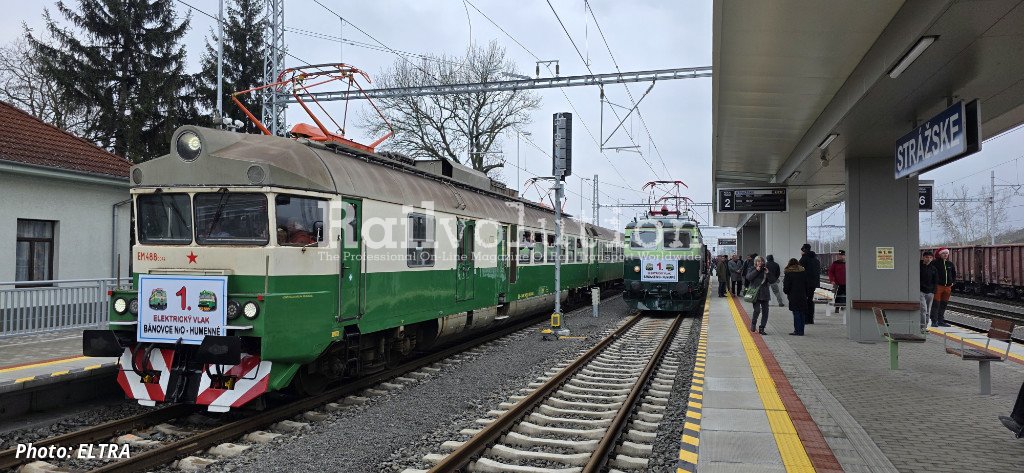
The result of all the above factors is that for the Zemplín region, crossed by the border of the Košice and Prešov regions, the improvement in the quality of rail transport after the electrification of the line (if citizens still travelling in the same carriages register a 3-minute saving from a travel time of approximately 1.5 hours) only concerns passengers in overregional transport, as residents of municipalities with unmanned stops on the Bánovce nad Ondavou - Strážske line will not be able to get on the train directly, even though all the above-mentioned stops were built as new during the electrification and reconstruction of the line.
The principal question
In these and many similar cases (of course, not only in Slovakia), the responsible entities have no choice but to find the courage to postpone the proclamations and ask themselves the painful question and honestly answer it whether it makes sense to invest in unpromising railway projects at all costs, even if the goals may be absolutely correct and noble... The ÚHP has already issued an unfavorable opinion in an earlier assessment of ELBAHU, reasoning that the project maintains the status quo and has no potential for future development.
However, the ÚHP's opinions are not completely binding, so the construction took place as designed. At the same time, canceling the construction of several unpromising stops, moreover in a flat environment and mostly on a straight track, would not be such a big problem even at the time of the completed project - with good will, it would be an administration for barely a few months. The funds invested in building unpromising stops could perhaps have been used for other purposes, such as establishing new platforms in Bánovce nad Ondavou, since all REXes and night trains stop there.
Freight transport
In freight transport, electric locomotives are used only to Strážske on the line through Bánovce nad Ondavou with trains, which mainly transport empty wagons for loading wood on the Chemko siding and loaded wagons in the opposite direction. These are usually locomotives of the ZSSK CARGO‘s Classes 131 or 363.
Furthermore, there are various ad-hoc transports carried out by different operators, so the use of traction also depends on which locomotive they have operationally available.
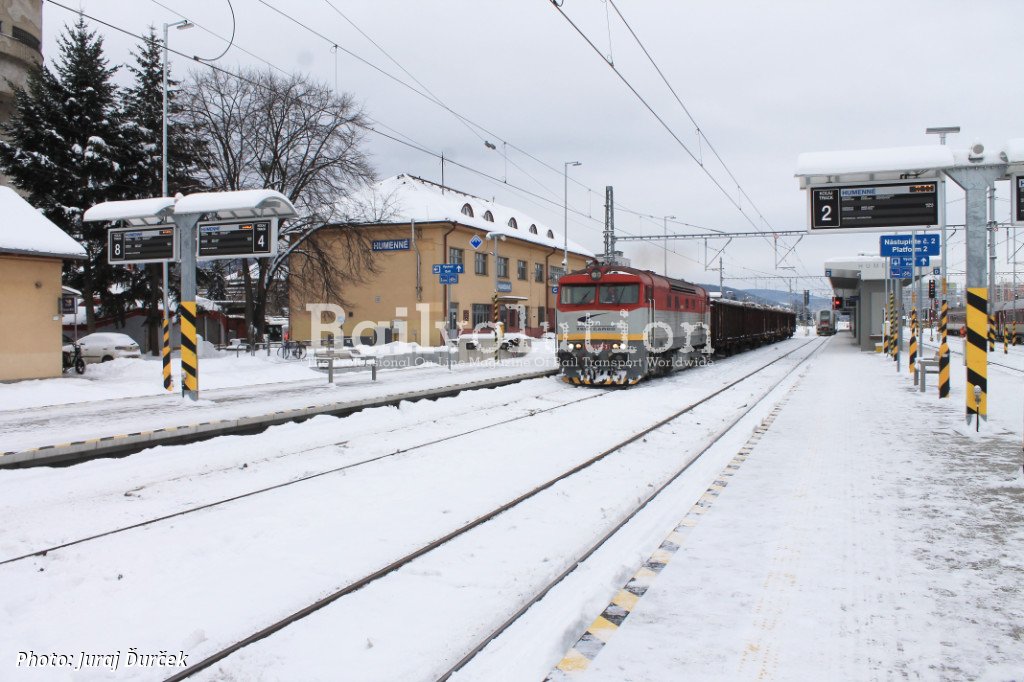
However, further beyond Strážske to Humenné, ZSSK CARGO trains only run with diesel locomotives, because there is no loading/unloading point at the Humenné station, so trains heading to Medzilaborce and Stakčín mainly pass through. They transport wood from local forests and are led by ZSSK CARGO‘s Class 751 and 752 locomotives, sometimes Class 742. Other operators run to Strážske (for Chemko) in both electric and diesel traction.
Freight trains therefore do not use electrification to the full extent and it is not realistic to expect the deployment of dual-power locomotives here: in a few years, the Vectron DM type should be approved in Slovakia (currently, there is talk of 2028), but the trains in question only concern ZSSK CARGO, for which this investment can not be probably expected, especially given the current situation in rail freight transport. Similarly, it is not possible to expect much increase in the volume of freight transport thanks to electrification, nor an increase in the number of passengers.
