

Progress on Class DM locomotives for KiwiRail

updated on 8th Dec 2025 13:41 posted on 20th Nov 2025 12:25
In October 2021, New Zealand's national operator KiwiRail signed a framework contract with Stadler for the supply of SALi diesel locomotives and ordered 57 ones, primarily for operation on the South Island. This was preceded by several years of preparations, as KiwiRail in August 2017 announced the start of negotiations with Alstom, CRRC, Electro-Motive Diesel, General Electric and Stadler regarding the intention to purchase a replacement for the aging Class DX locomotives, which were delivered between 1972 and 1975 by GE Transportation, Erie, Pennsylvania.
The tender for the new locomotives, which were designated Class DM, was won by Stadler. Around 2,5 years later, on 27 February 2024, a contract was concluded with Stadler for another nine of these 1,067 mm gauge locomotives, but for operation on the North Island, additionally equipped with ETCS OBUs.
In addition, in February 2024, an order was also placed to install ETCS in the last ten DM locomotives from the first contract, as they will eventually also be operated on the North Island. In the Auckland agglomeration, the railway infrastructure is already equipped with a stationary ETCS Level 1 and it is planned to be installed in the Wellington area, which is located at the southern end of the North Island, in the future.
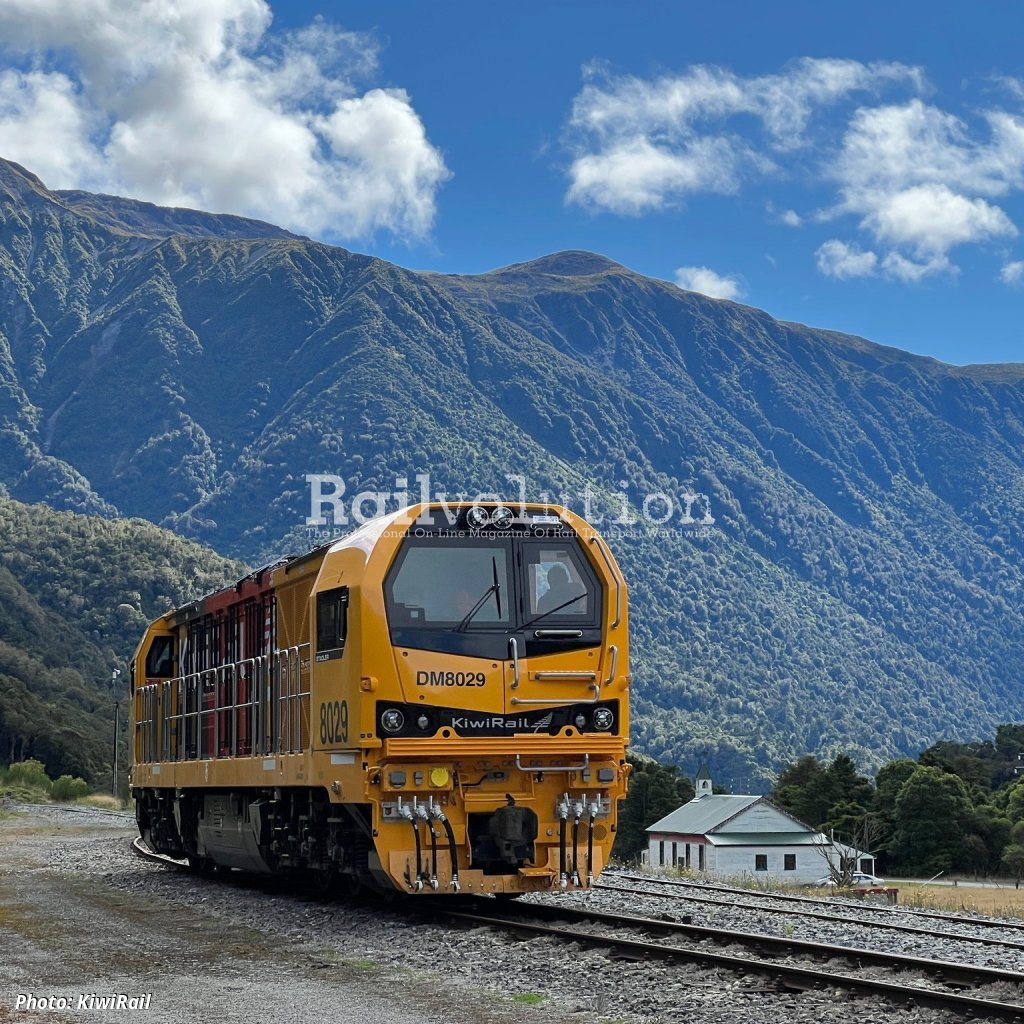
The Class DM SALi locomotives have a Co’Co’ axle arrangement, a length over the couplings of 20,002 mm, a width of 2,810 mm, a maximum speed of 100 km/h and a Caterpillar C175-16 Stage V engine with a power of 3,000 kW. The starting tractive force is 415 kN and the locomotive weight is 108 t, which means a maximum axle-load of 18 t. The fuel tank has a capacity of 6,500 l.
Deliveries
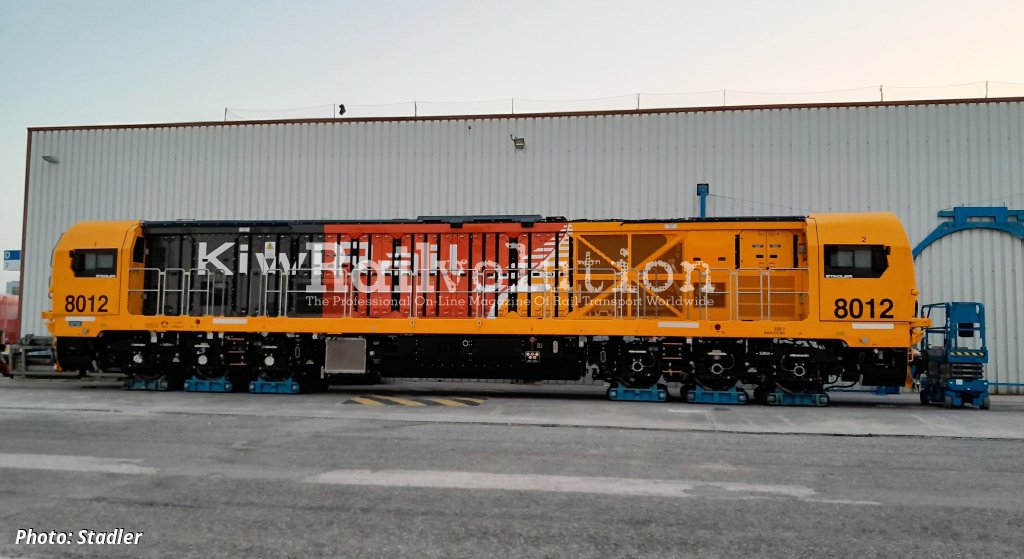
The first Class DM locomotive was completed at the Stadler València at the end of 2023, after which it began factory tests. Its inventory number is 8012, which is based on the KiwiRail scheme, where the Class DM corresponds to the number 8, followed by the locomotive’s own number, in this case 01, and then follows the last digit, which is a check digit and is based on a mathematical calculation. This means that the second locomotive is 8029.
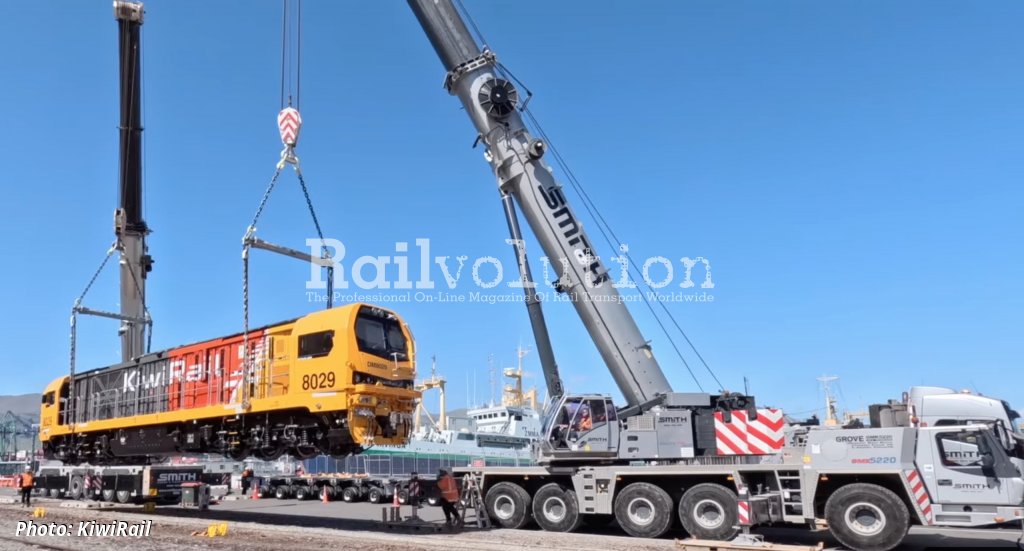
After the completion of the latter and tests of both pre-series locomotives, they were transported from the València works to the nearby port of Sagunto (on the north side of the city). The 8012 was loaded on 29 July, the 8029 left the factory on 1 August 2024, then both left Sagunto on a ship on 8 August. They arrived at the Lyttelton Port (south of Christchurch) on the South Island on 20 October 2024, and subsequently were located in the Middleton depot, in Christchurch.
After the necessary preparations, approval tests were started in January 2025, the aim of which was to check all parameters so that, if necessary, it was possible to make any adjustments to the following batch-built machines, preferably while they were still in the production plant. The tests took place across the South Island and included runs on the Midland line (212 km) over the challenging Otira-Arthur’s Pass (737 m above sea level) with the 8,529 m long Otira Tunnel.
Certification and operation
In June 2025, the locomotives completed their trials and awaited approval, which was achieved in mid-July. Following certification the locomotives started their trials and achieved approval on the 23 August 2025.
Locomotive certification is granted by KiwiRail Operations as an accredited Rail Transport Operator. KiwiRail Operations forms part of Kiwi Rail and is responsible for the management and operation of New Zealand's national rail network and inter-island ferries by the state-owned enterprise, KiwiRail.
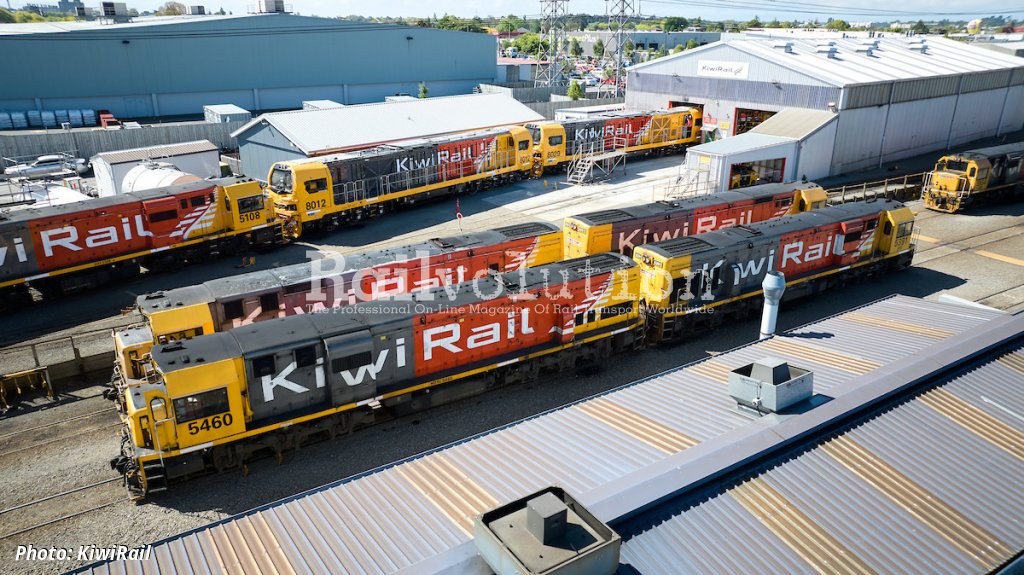
Track access is granted by KiwiRail Network as an accredited Rail Infrastructure Manager. The regulator NZ Transport Agency, responsible for overall safety of the land transport system, provides acknowledgement to notification from KiwiRail regarding new locomotive class and it certification. A locomotive simulator for Class DM has been installed at Middleton depot for driver training.
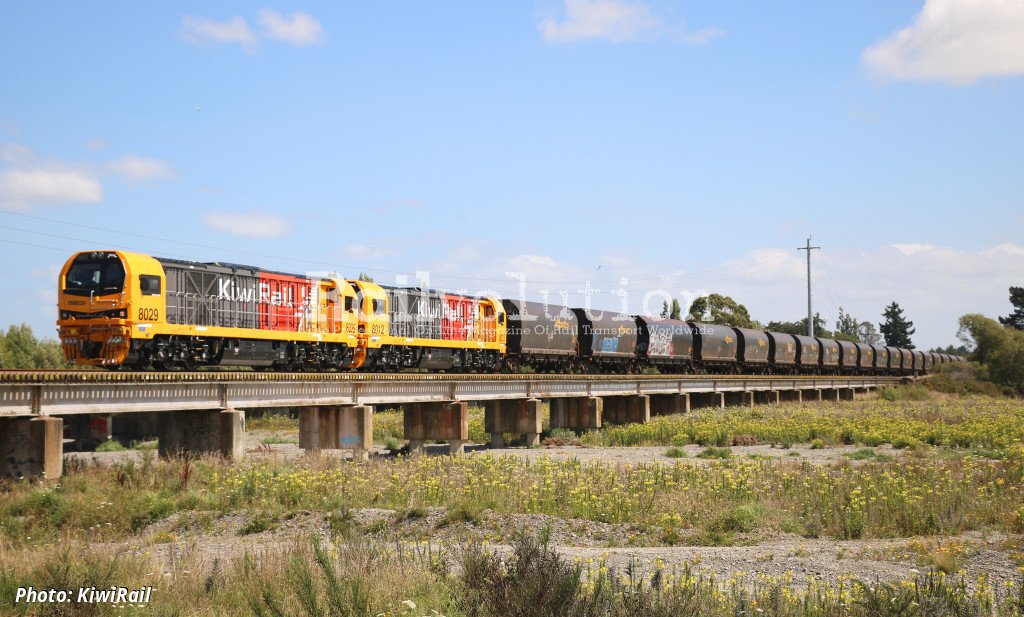
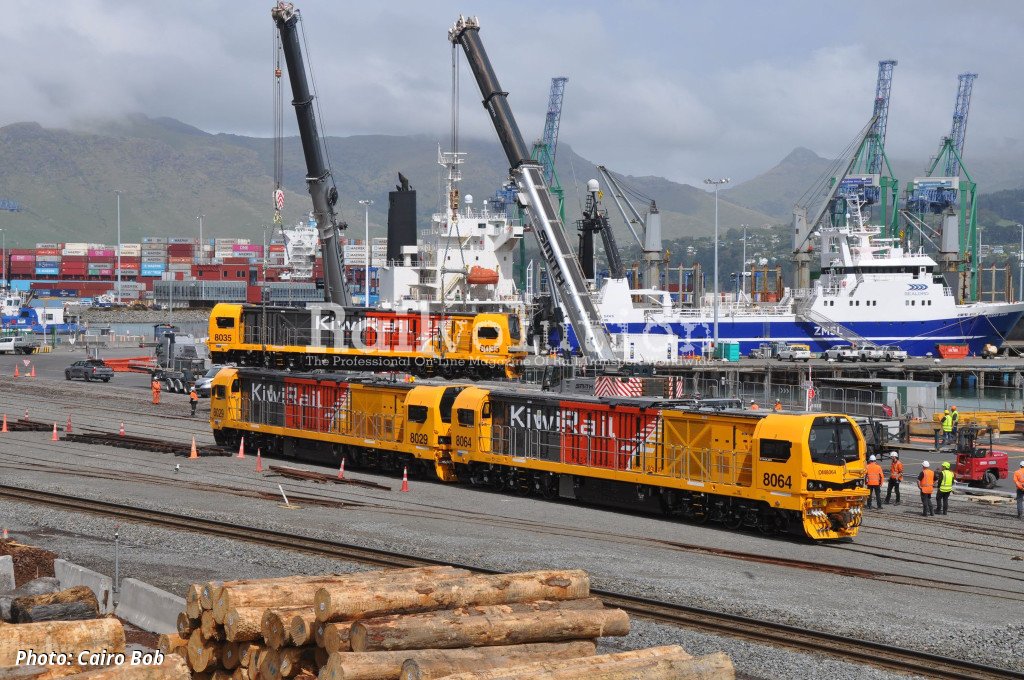
On 20 July 2025, the first two machines were put into test operation, which stipulated a run of 5,000 km for each locomotive on South Island routes. This was finished on 23 August 2025. The locomotives are now in regular service. On 2 November 2025, locomotives 8035 and 8064 arrived at Lyttelton, having departed Sagunto on 20 August 2025. Both are currently on testing, 8064 is the sixth one in the batch, because there were some works ongoing on the previous machines. The remaining SALis will be delivered in stages from late 2025 to 2027.
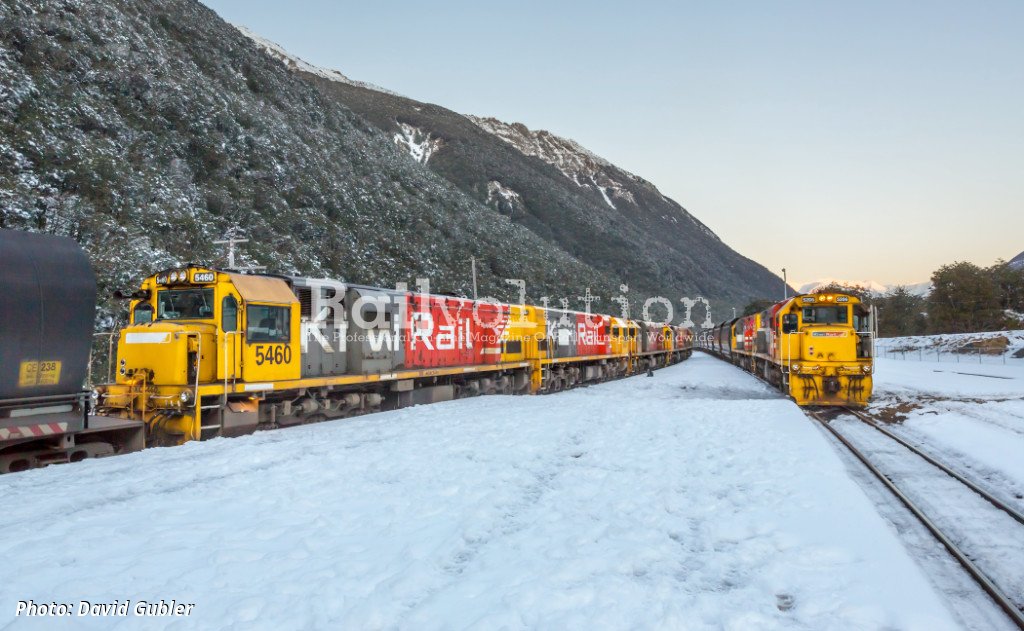
The purchase of the Class DM locomotives is funded by the government's investment in KiwiRail's fleet renewal and is intended to replace the Class DX locomotives, which are on average around 50 years old. 47 Class DMs will be used in the South Island, with the remaining 19 in the North Island.
Class DL
The SALis are not the first modernization of KiwiRail's fleet. The company began the renewal in 2009 with an order for 20 machines, manufactured by the CRRC Dalian; their designation as the Class DL is based on the manufacturer's name. A total of 73 of these locomotives with MTU engines were eventually ordered under five contracts, with deliveries from 2010 and entry into regular service from 2011.
At the time, they were the first new locomotives in New Zealand in more than 20 years, but in the meantime, the oldest of them have already been decommissioned, after less than 15 (!) years of operation. These locomotives serve only the North Island, where they replaced the Class DX locomotives (and of derived modernization sub-classes), which were then concentrated in the South Island.
