

Sveriges nya nattåg

updated on 8th Jun 2026 21:53 posted on 2nd Jun 2026 18:10
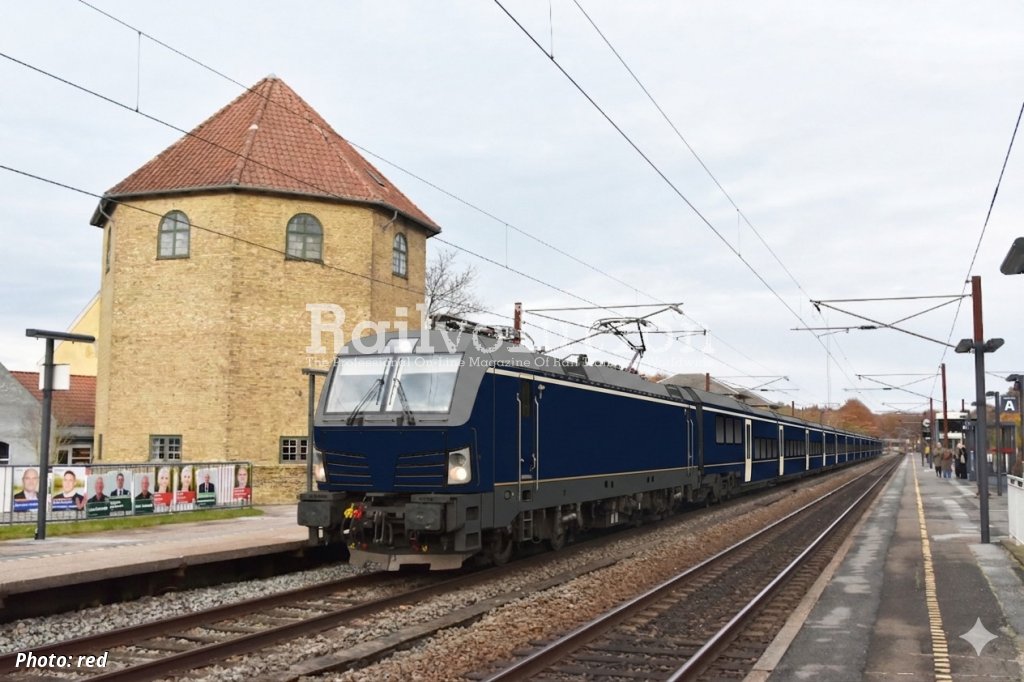
On 1 April 2026, Trafikverket announced that it had selected Talgo and Siemens as suppliers in a tender for Swedish new night trains. According to initial information, the companies were to supply 91 Talgo cars and ten Vectrons for night services between Stockholm and Övre Norrland (literally Upper North Country). Övre Norrland is the northernmost and largest region of Sweden in terms of area. The largest cities here are Umeå, Luleå, Skellefteå, Piteå and Boden. Övre Norrland is part of Lapland (Sápmi) and borders the region of Mellersta Norrland (Central North Country), Norway and Finland.
The contract
The above decision could be appealed within ten working days; no protest was received, so the contract was signed on 20 April. However, it will ultimately comprise a total of 162 Talgo cars, which will be made up of nine seven-car non-multiple units for daytime services and eleven nine-car NMUs for night services, all with a maximum speed of 200 km/h.
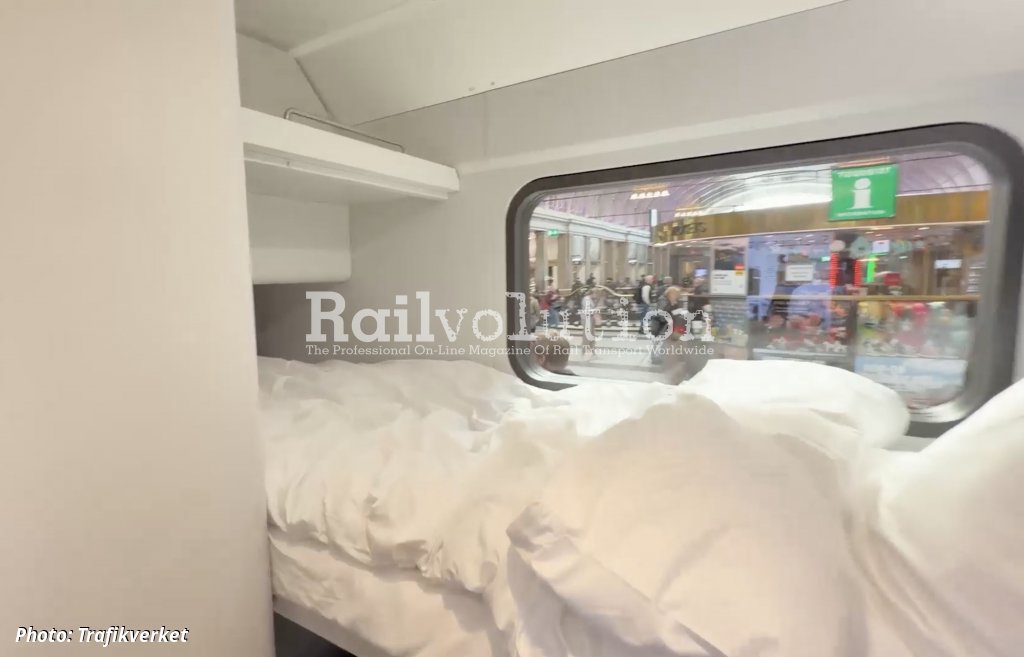
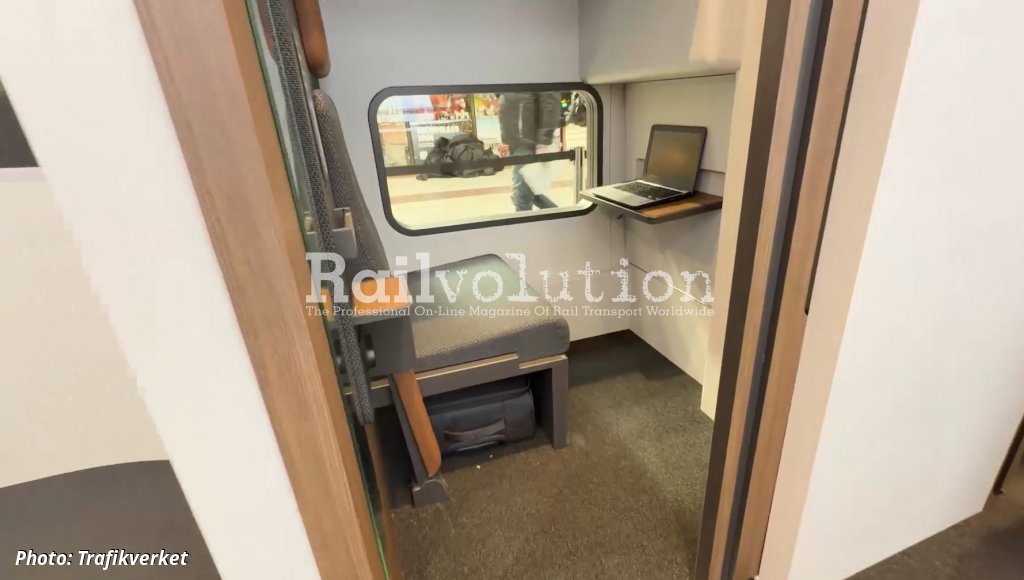
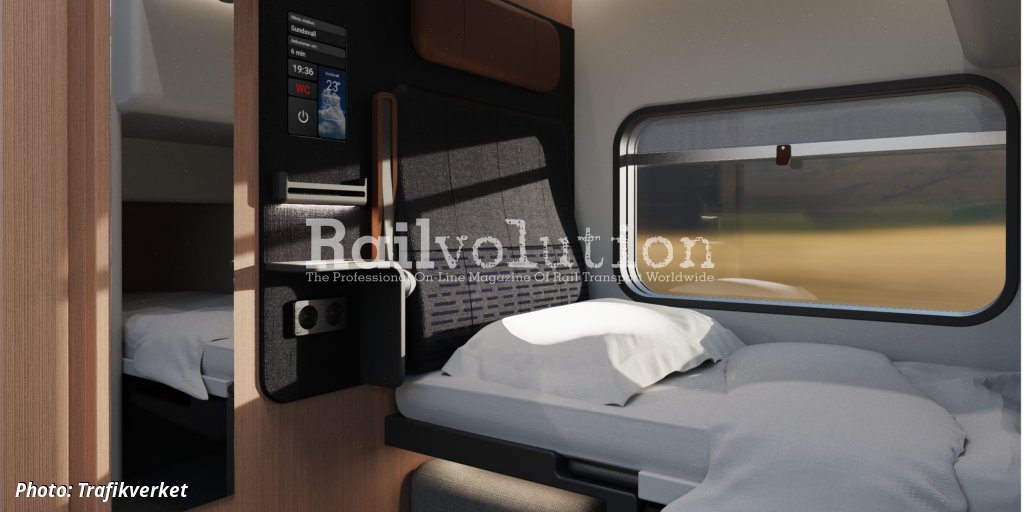
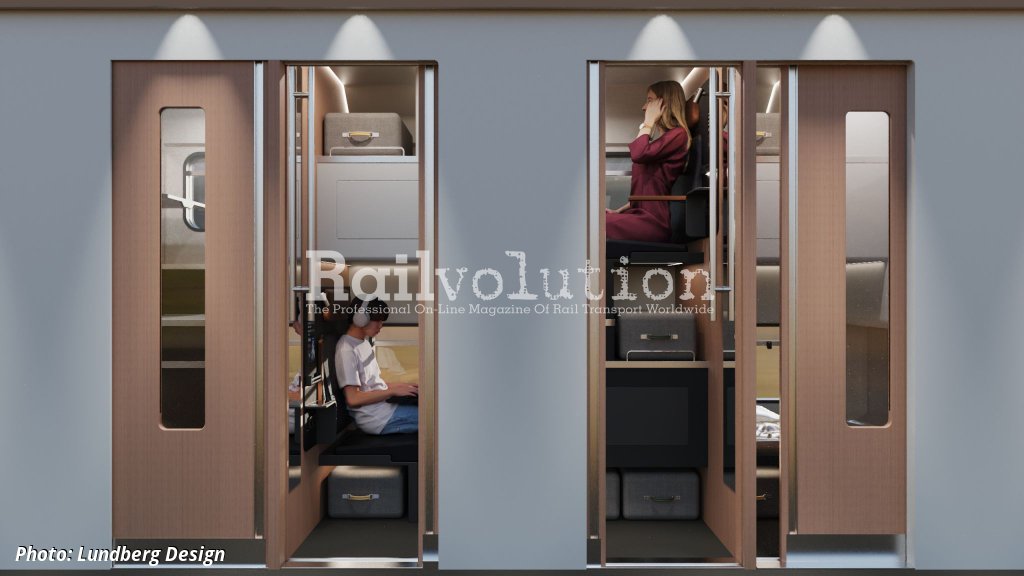
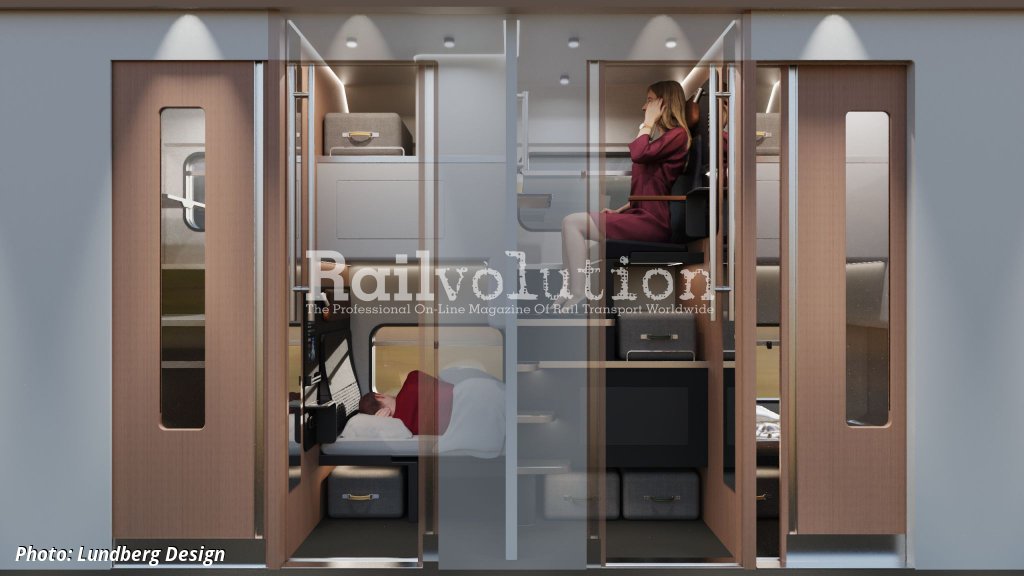
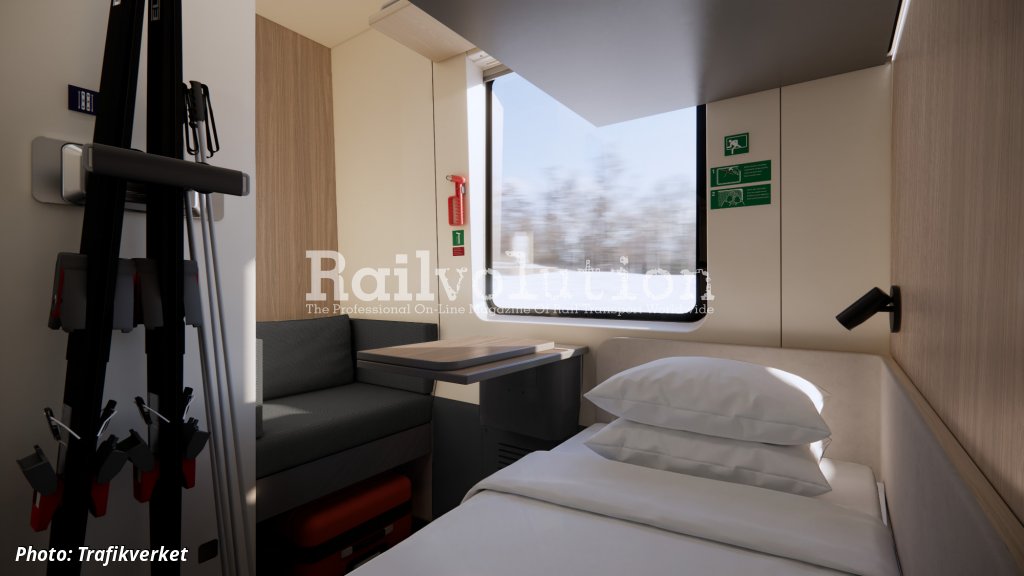
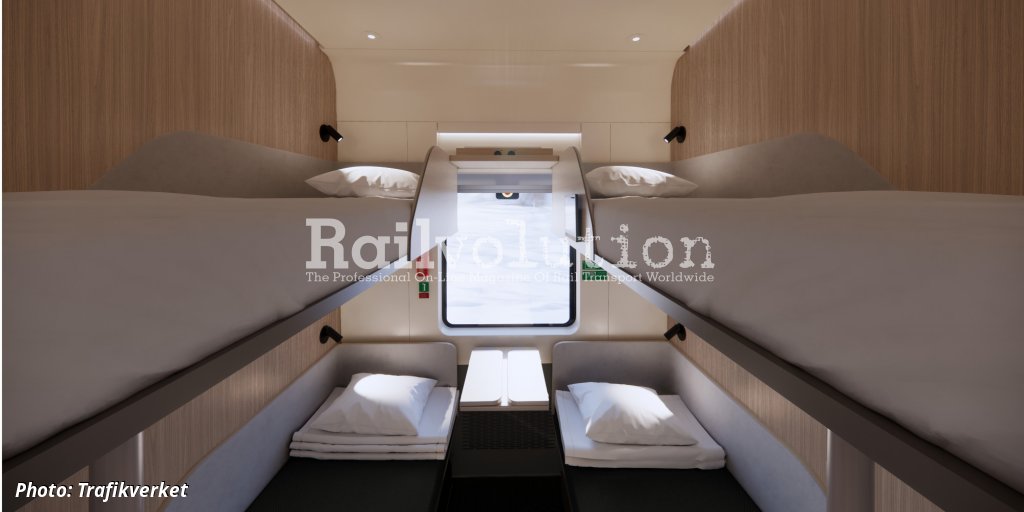
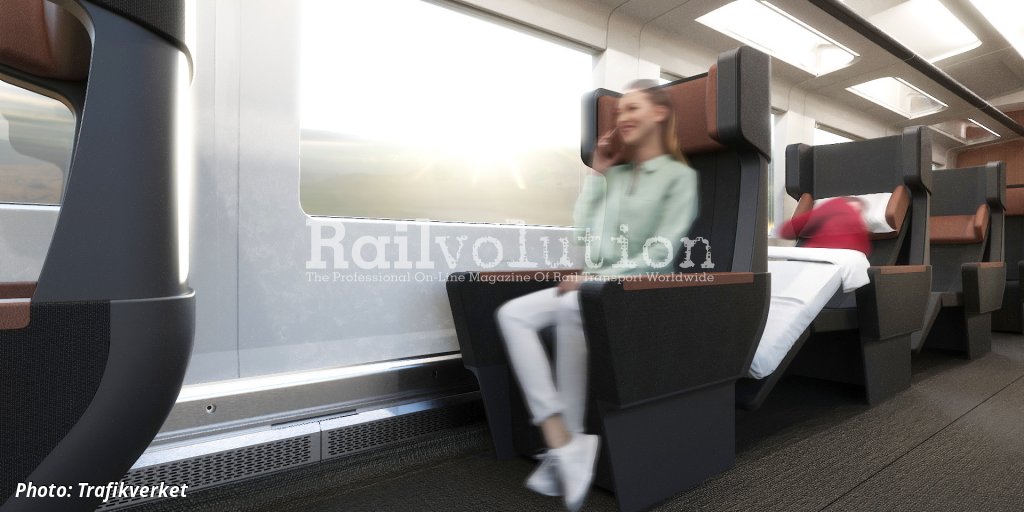
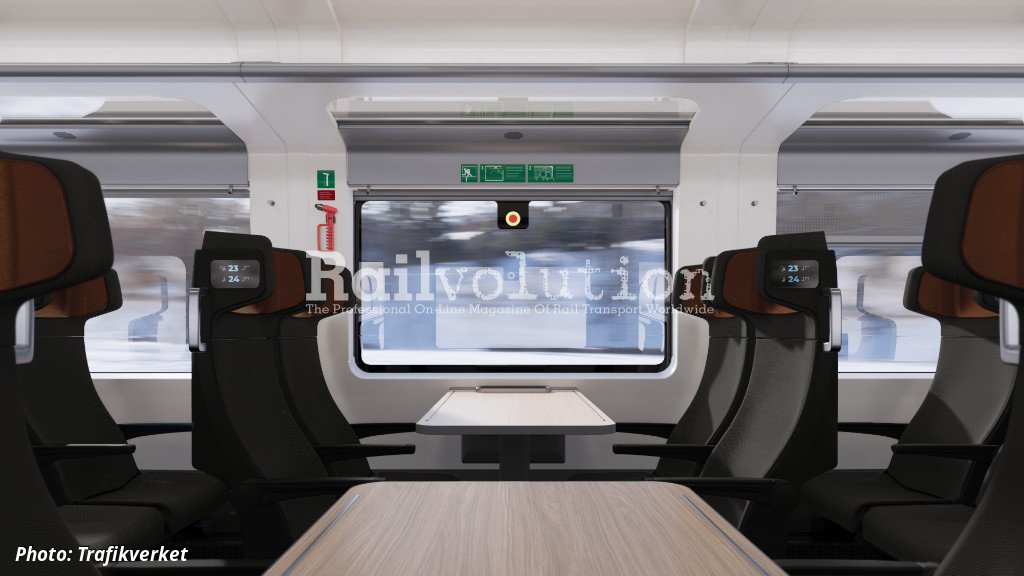
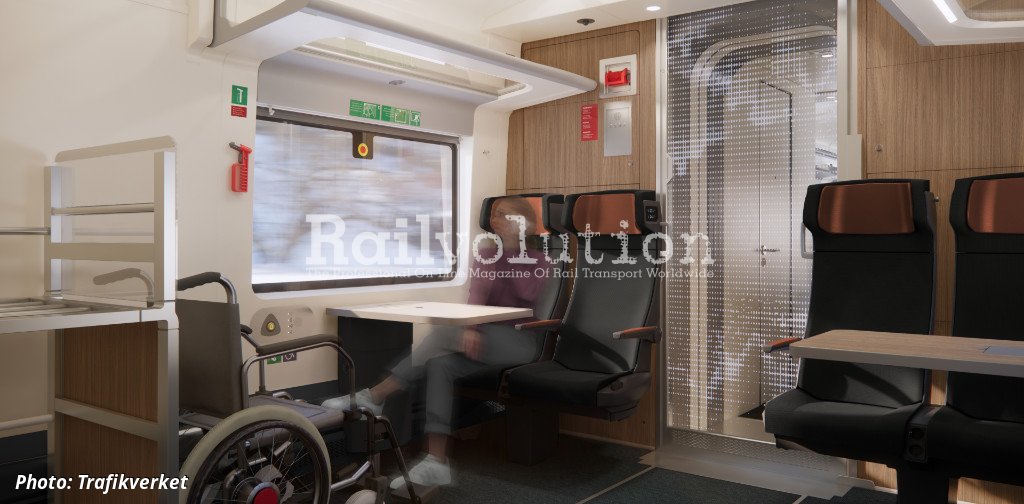
The cars are to have a continental profile, making them narrower than the cars currently used in Swedish domestic transport. The new Talgo 230 rakes will consist of both sleeping and seating cars, and will also have a bistro car. There will be family compartments for four people, premium compartments with two beds, a shower and a toilet, and single compartments with a shower and a toilet. Wheelchair-accessible compartments and toilets will also form part of the rakes. The interior design was carried out by the Lundberg Design studio, Stockholm, which was also present, for example, in the design of Talgo trains for DSB or the Civity Nordic "cranberry units" from CAF for Krösatågen.
The first of the new Trafikverket's Talgo 230 trains are to start operating in 2030 and all twenty sets are to be delivered by 2031. Hopefully, even with this almost five-year delivery period, Talgo will manage to meet the deadlines, especially since they are not to be wider Swedish cars, but standard European ones. And in addition, Vectron AC locomotives will be used and not locomotives produced by Talgo, which simplifies the situation. The new night trains will initially run on the Stockholm - Narvik route.
A contract worth 756 million EUR also includes the maintenance of the trains by the manufacturer for a period of 10 years. Since Siemens will build the locomotives as a subcontractor for Talgo, the latter will also provide maintenance for the Vectrons.
When we asked whether the combination of Vectrons and Talgo sets does not present any complications in terms of cooperation between different control systems and software, Siemens said that it is not an additional synchronization of two fundamentally different or incompatible control systems, but that the appropriate technical interfaces are defined for the combination of a locomotive and a non-powered unit, so the crucial thing is to correctly integrate the specific combination of vehicles and verify it in operation.
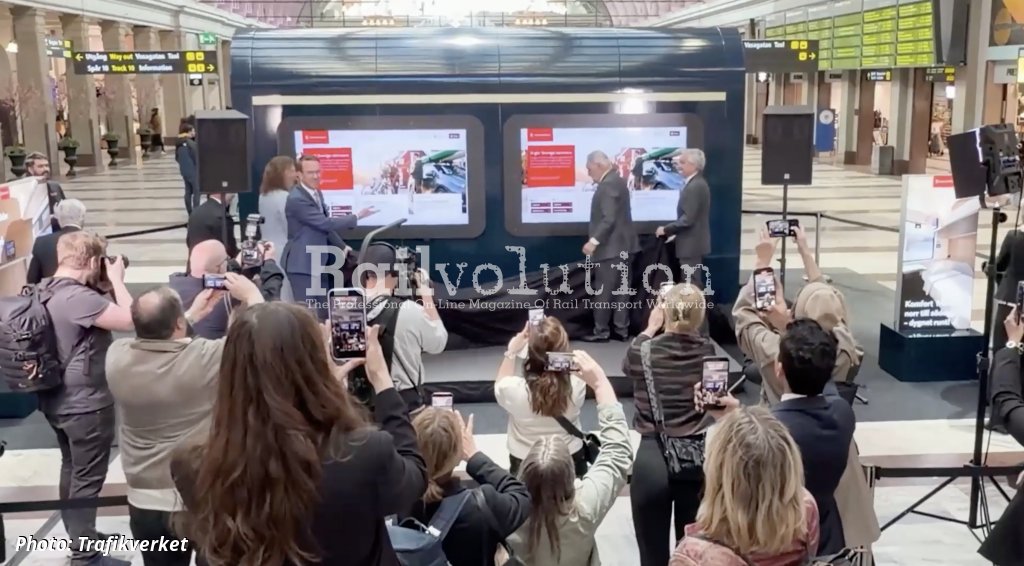
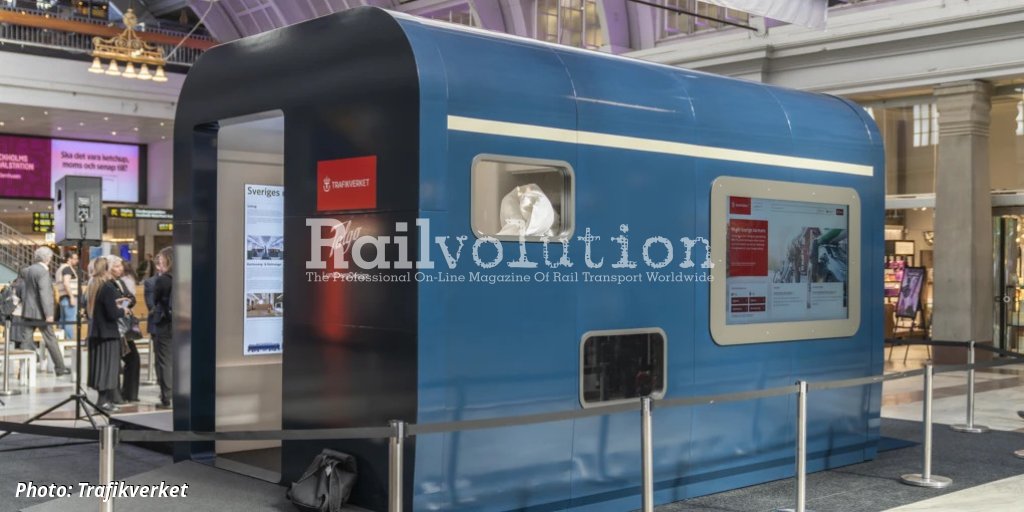
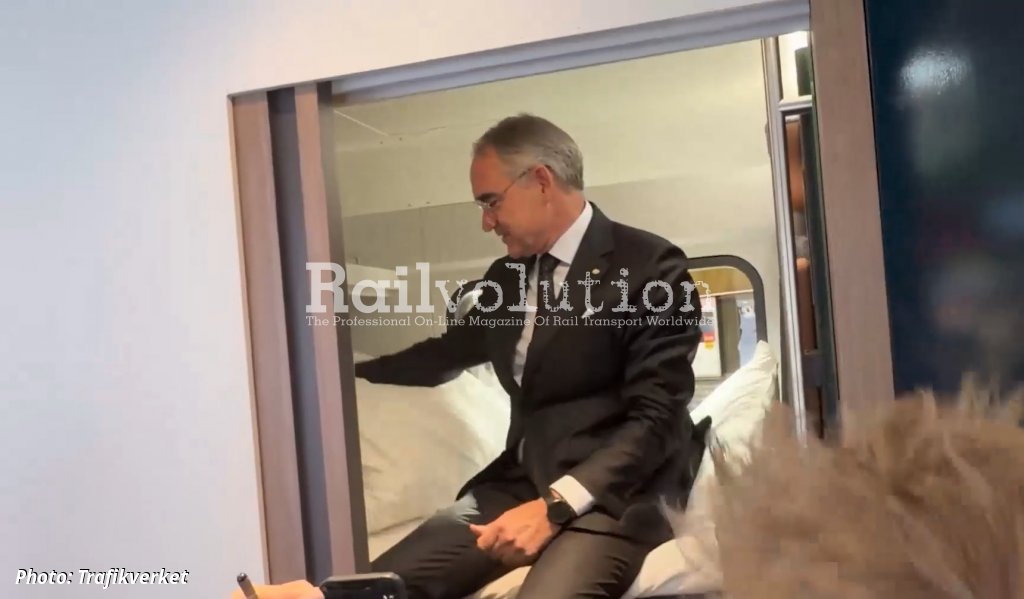
Trafikverket also has an option for up to 9 more locomotives, 7 daily rakes and 11 night rakes (for use on the Stockholm - Duved line) and an extension of the maintenance period by two years. The Talgo 230 trains will be built at the Rivabellosa and Las Matas plants. At the same time, a mock-up of two-compartments was unveiled at the signing ceremony at Stockholm Central Station, which was then displayed in the station hall for a week.
The tender(s)
Rikard Granlund, Head of the Vehicle Department at Trafikverket, said: “It has been a process that has taken many years and required a lot of work. The design of the trains has not yet been fully determined, we are still working on it. The Talgo cars will be designed for temperatures down to -40°C, and although their walls will be slightly thinner than in the current night cars, today's insulation materials are more effective than those used half a century ago when the current cars were built. At the same time, the Talgo trains will have better sound insulation.”
According to Rikard Granlund, several companies were interested in bidding for the tender, but he did not give their names. Stadler told us that it had not submitted a bid and that EMUs were not required for this tender.
The selection of a supplier was not easy in this case. The intention to replace the ageing fleet of night cars dates back to 2023, when Trafikverket began planning to purchase up to 16 locomotives and aroud 100 cars. However, the process was plagued by delays and various complications. In 2024, the tender deadline was extended to give manufacturers more time to prepare their bids.
In August 2024, Trafikverket extended the deadline for submitting bids by six months, to 28 February 2025. In mid-2025, the tender was cancelled because none of the bids met the technical and contractual requirements. Based on this, Trafikverket amended parts of the tender documentation and relaunched the tender in autumn 2025.
The main issue was the choice between traditional Nordic cars with wider bodyshells and narrower continental cars. Trafikverket ultimately opted for a smaller bodyshell profile, which will potentially allow operation in other European countries as well. The decision drew criticism from railway experts, passengers and politicians, who expressed concerns about reduced comfort.
In the three Scandinavian countries, we can therefore observe completely different approaches to the procurement of vehicles for night services: while in Sweden Trafikverket ordered Talgo non-powered fixed units, in Finland the VR buys locomotive-hauled double-deck cars (from Škoda Transtech) and in Norway Norske tog ordered EMUs and EDMUs (FLIRTNEX from Stadler).
The operation
Jernhusen, which owns station buildings and depots on Sweden's state-owned railway infrastructure, has signed a 15-year lease with Trafikverket to refurbish the historic century-old building at the Hagalund depot for the maintenance of Talgo trains. At the depot in Luleå one hall will also be modified in a similar way.
Trafikverket will lease the new Talgo sets to the future operator of Stockholm - Umeå and Stockholm - Kiruna - Narvik night trains on the basis of a new contract, which in December 2026 is to follow up on the existing contract, signed with the state operator SJ in July 2024. SJ here replaced Vy Tåg, i. e. the Swedish branch of the Norwegian company Vy, which left the previous contract.
However, it is not yet clear who will be the new operator, as Trafikverket canceled the tender in question in March 2026 with the justification of "the need to restructure the financial component by transferring more risk to the state, even in the case of using the existing vehicle fleet, which will encourage bidders to participate."
No rental or leasing company wants to fund very special Arctic night trains on a route whose future in terms of public service obligations is uncertain. Therefore, the state intervened: "If trains cannot be operated on a certain route at the operator's own commercial risk, Trafikverket is responsible for state-provided transport, which will create the best possible offer within the given financial framework. Night trains between Stockholm and the Övre Norrland are one such example."
We asked Trafikverket:
1) If you ordered 20 Talgo rakes and only 10 Vectrons, what locomotives will haul the other 10 rakes?
Trafikverket's answer: "The number of locomotives and coaches ordered are adapted to cover planned routes from Stockholm and Norrland plus spare vehicles in case of maintenance needs."
2) Of the contract worth 756 million EUR, how many million EUR are for maintenance of the trains, how many for Vectrons and how many for Talgos?
"Unfortunatelly we cannot disclose the price division within the contract."
3) You are still describing only night trains, so where will the daytime trains run?
"There is a need for some coaches with seats due to passenger preferences, e.g. passengers travelling only part of the distance night or morning."
4) What exact width (in mm) will have the bodyshells of Talgos for Trafikverket? Are your Talgo 230s also planned for operation to Denmark?
"The current scope for Trafikverket´s night trains is only Stockholm-Luleå- Narvik. Unfortunatelly we cannot disclose the technical details of the trains at this stage."
5) How is the tender for operators of night trains progressing?
"The procurement of traffic operator is ongoing and the plan is to have a contract this summer."
6) Who will operate the daytime sets? Or, is the tender for operator of daytime trains progressing?
"There will be one traffic operator for the fleet."
We additionally asked Trafikverket: does it mean that
- the day and night Talgos will be operated together, coupled in one 16-car unit?
Answer: "Yes, the plan is to traffic with one A module + one B module or in high demand seasons one A module + two B modules, i.e. 16 or 25 coaches."
- the operator will have, for example, nine 16-car units with nine Vectrons, and the remainder will be reserve?
"We have a set up where the maintainer has guaranteed an availability percentage for vehicles to be used by the operator. There are no specific amount of vehicles reserved for maintenance."
- is it sure that the cars will be of around 2,900 mm width, not 3,200 to 3,450 mm as possible in Sweden? Why you did not require the wider Talgo’s bodyshells? The manufacturer is able to build those like in Kazakhstan or for Spain.
"The procurement gave the tenderers the possibility to offer a European profile or a Swedish-Norwegian profile. It was up to each Tenderer to decide what width to offer and be evaluated on."
