
First Australind entered passenger service
posted on 2nd Jul 2026 10:48
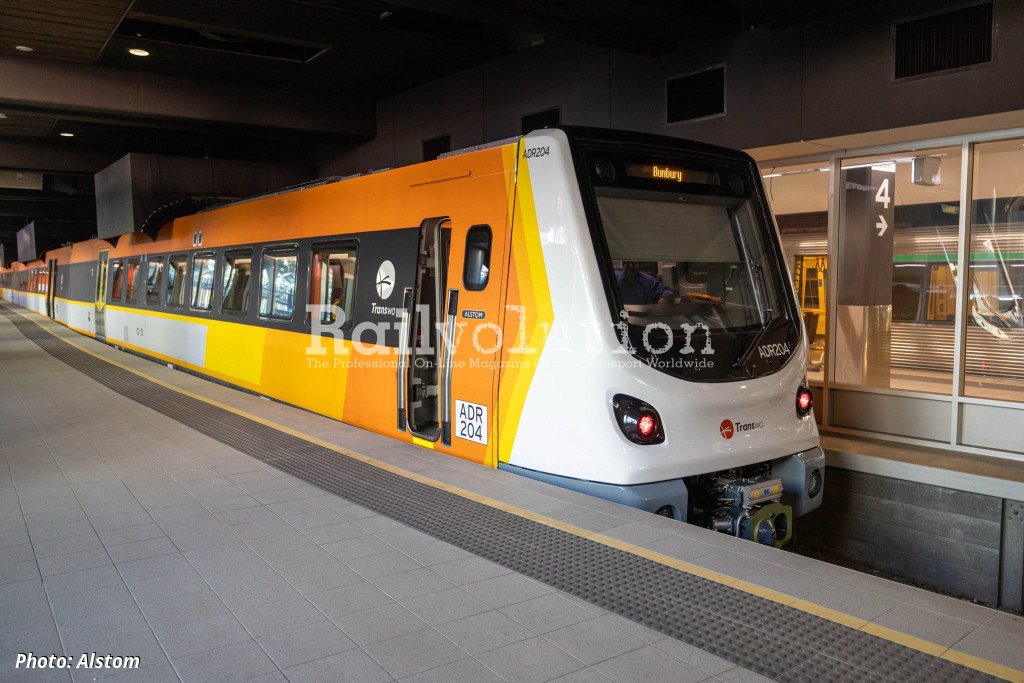
Alstom has successfully delivered into passenger service the first of four Australind trains for the Public Transport Authority of Western Australia. The train, named Marley, took passengers for the first time on 29 June 2026 from Perth to Bunbury completing a journey of two and a half hours, culminating in a major community event in Bunbury.
As part of the WA Railcar program, awarded to Alstom in 2019 and valued at around 800 million EUR (1.3 billion Australian dollars), Alstom is delivering 252 cars for 41 EMUs and 12 cars for four DMUs from its facility in Bellevue, Western Australia. This seminal program has seen train manufacturing return to Western Australia with 50 % local content secured on the C-series trains, hundreds of local jobs, local suppliers, a range of apprenticeships and an Aboriginal pre-employment program delivered with Northern Metropolitan TAFE.
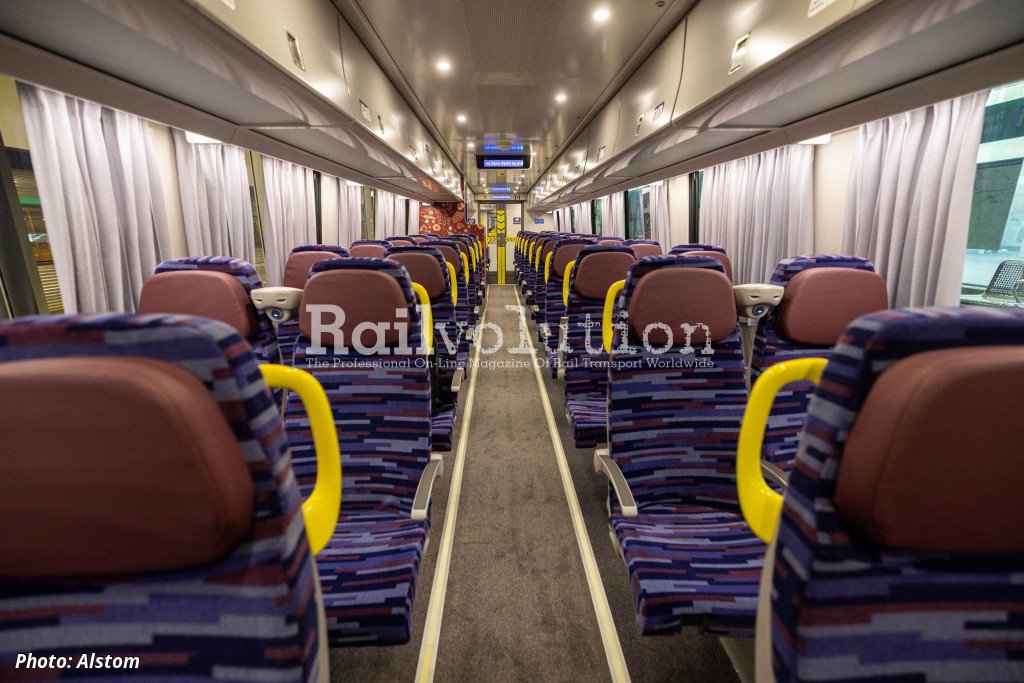
The four Australind trains, named Marley, Kwilena, Koombana and Linda by public suggestions, will enter passenger service in stages as Alstom continues to build, test, commission and maintain the DMU and EMU fleets. The Australinds can each carry 158 seated passengers, six wheelchairs, and have onboard storage for 14 bicycles. Fully accessible toilets, wifi, luggage storage and USB-C charging ports enhance passenger experience.
Commenting on the success of the first passenger service, Guillaume Tritter, Managing Director Alstom ANZ said: “The ongoing investment and partnership of the West Australian Government has been critical to restoring not just the Perth to Bunbury service, but the continuity of local rail manufacturing, the local supply chain and high skilled jobs in the State. The first Australind trip is a milestone only made possible because of our incredible local workforce and the deep partnership we have with the West Australian Government”.
Australind and C-series trains for Perth’s growing rail network are X’trapolis trains, part of Alstom’s innovative Adessia commuter rail portfolio, designed to support cities and suburban areas all over the world, accommodate increasing numbers of commuters and alleviate traffic congestion. Every day, more than 60 commuter systems worldwide enable over 20 million passengers to travel on commuter trains made by Alstom.
