

30 years TGV connections between France and Brussels
posted on 14th Jun 2026 17:44
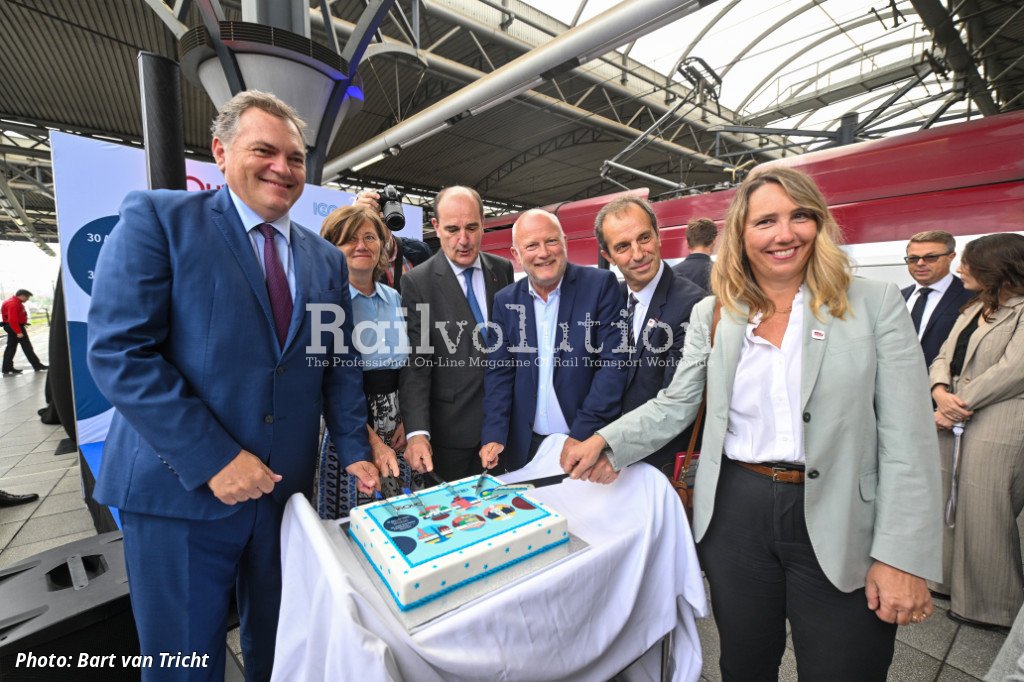
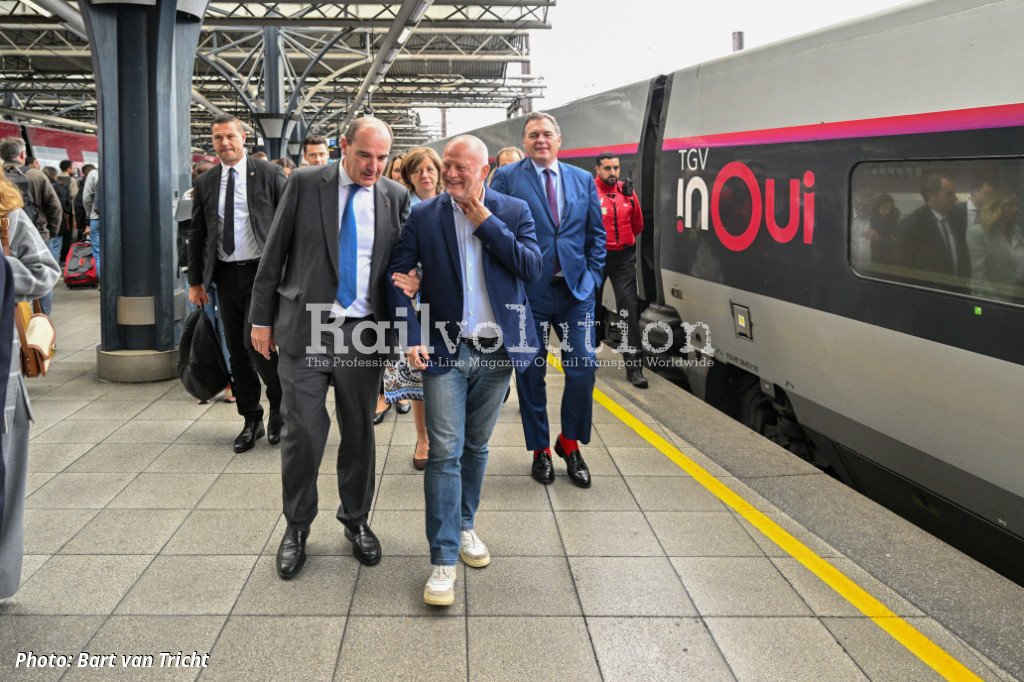
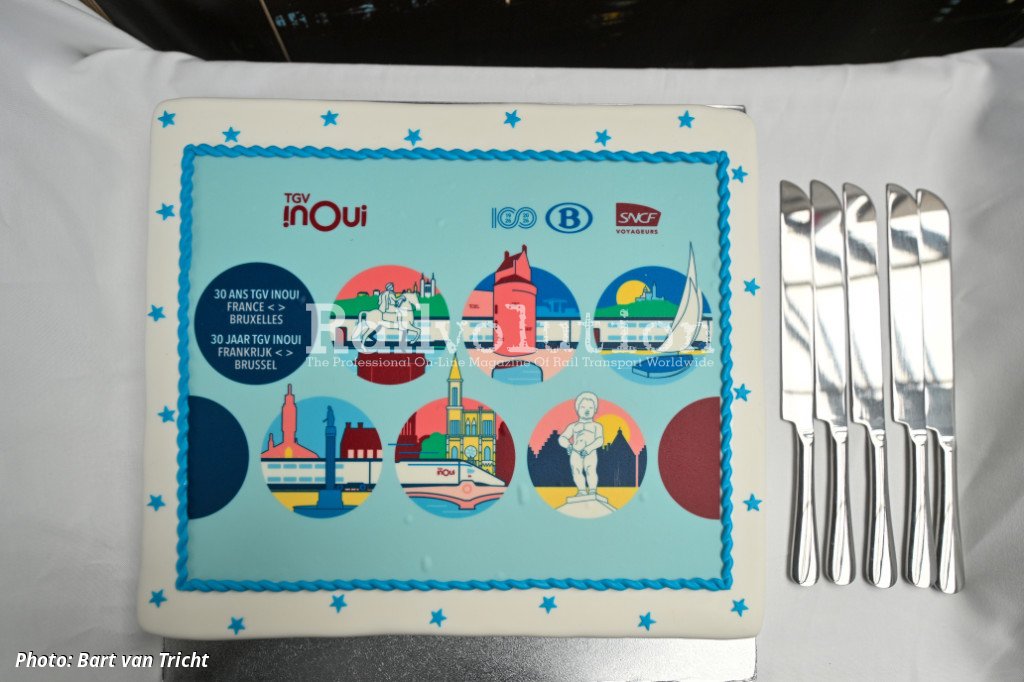
On 12 June 2026, SNCB and SNCF Voyageurs celebrated 30 years of TGV connections between France and Brussels. The event took place at Brussels-South station in the presence of Jean‑Luc Crucke, Belgian Federal Minister of Mobility, Philippe Tabarot, French Minister of Transport, Sophie Dutordoir, CEO of SNCB, Jean Castex, CEO of Groupe SNCF, and Christophe Fanichet, CEO of SNCF Voyageurs.
A broad, fast and accessible service
Thirty years ago, a high‑speed train service brought Belgium and France closer together, both literally and figuratively. Over the past three decades, the TGVs between Brussels and France have grown into an essential daily connection between the two countries, linking the Belgian capital with several major French cities and regions. Today, the service includes 9 round trips and 28 direct French destinations from Brussels and back.
For Belgian travellers, France is the most popular foreign holiday destination. Moreover, this connection offers a sustainable option for business, leisure and cultural travel, and is an excellent alternative to flying.
To meet growing demand and support the ecological transition in mobility, the service between Brussels and France will be further expanded in the coming years.
From July 2027, the Brussels - Strasbourg TGV service will be extended to Basel, Switzerland, with a daily weekend connection (Friday to Sunday). This pilot project aims to assess travel demand between Brussels and Basel. This expansion further confirms the importance of the France–Brussels connections as a major European mobility axis.
A partnership that goes beyond train services
SNCB and SNCF Voyageurs also cooperate in terms of staffing. The connection between Brussels and France is operated, between Brussels, Lille‑Europe and Roissy–Charles‑de‑Gaulle, by staff from both companies. SNCB also participates in ticket sales through its platform SNCB International.
Maintenance, repairs and cleaning of the TGV trainsets operating on the Brussels - France route are carried out at the SNCB workshop in Vorst (Forest). This specialised workshop, opened in 1993, has become a leading industrial site in Europe. Over the next three years, SNCB will invest nearly 50 million EUR to adapt the workshop to new generations of rolling stock, particularly the trains that will operate on the Brussels - France route.
The future of the connections between both countries
SNCF Voyageurs has ordered 15 next‑generation TGV M trainsets, intended to replace the current fleet and strengthen the service between France and Belgium. When they enter service in 2029, they will offer greater capacity, improved energy efficiency and an even more comfortable travel experience.
Brussels‑South, an international hub
Thanks to the TGV service, travellers can reach numerous major French cities from Brussels in just a few hours: Lille, Marseille, Strasbourg, Rennes, Lyon, Montpellier, Avignon, Nantes, and even Paris‑Charles‑de‑Gaulle Airport. This service also reinforces the role of Brussels‑South station as an international hub at the heart of Europe, a crossroads welcoming more than 300,000 international travellers each week.
30 years of innovation serving Franco‑Belgian cooperation
Since the mid‑1990s, the development of high‑speed lines in Belgium and France has gradually created a major European axis centred on the connections between Brussels and France. Key dates:
1996: commissioning of the first section of the Belgian high‑speed line between the border and Antoing, enabling the first connections to the Mediterranean via Lille and Paris‑Charles‑de‑Gaulle Airport.
1997: opening of HSL 1 between Brussels and Antoing, reducing travel time by 30 minutes and bringing the Brussels–Lille journey down to 35 minutes, as well as expanding connections to new French regions, notably Languedoc‑Roussillon.
2001: the Brussels–Paris air route operated by Air France is replaced by a TGV service, a clear signal in favour of rail on this major axis; thanks to the LGV Sud, Marseille becomes reachable in 5.5 hours from Brussels.
2016: launch of the Brussels - Strasbourg TGV service, made possible by the commissioning of the LGV Est.
2019: expansion of the service to Brittany, and the TGV connections between Brussels and France continue under the name TGV INOUI, offering more comfort and enhanced onboard services.
Since then, traffic has continued to grow (with a particularly strong recovery after the COVID‑19 crisis), demonstrating the popularity of these train connections among both leisure and business travellers. Key figures:
9 round trips per day,
28 direct French destinations from Brussels,
1.8 million passengers per year.
