

Class 453 arrives in Madrid for driver training
posted on 19th May 2026 07:40
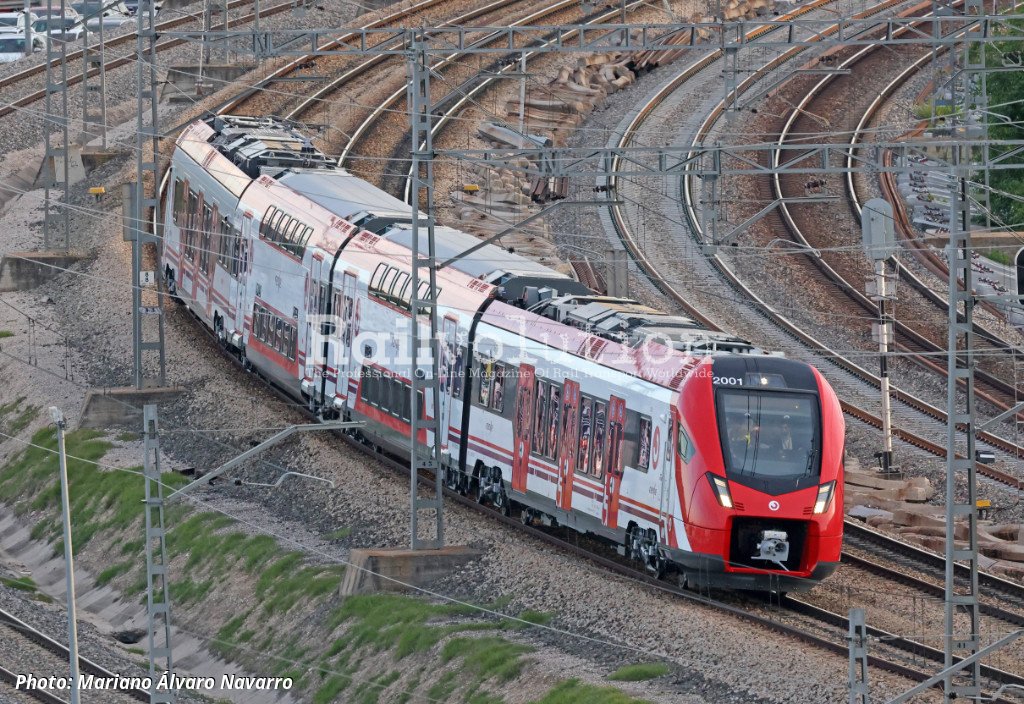
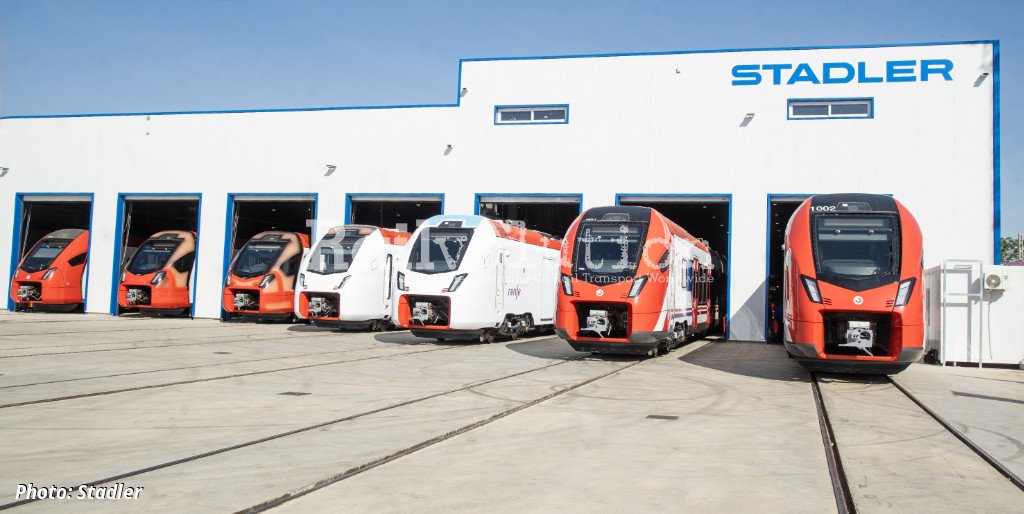
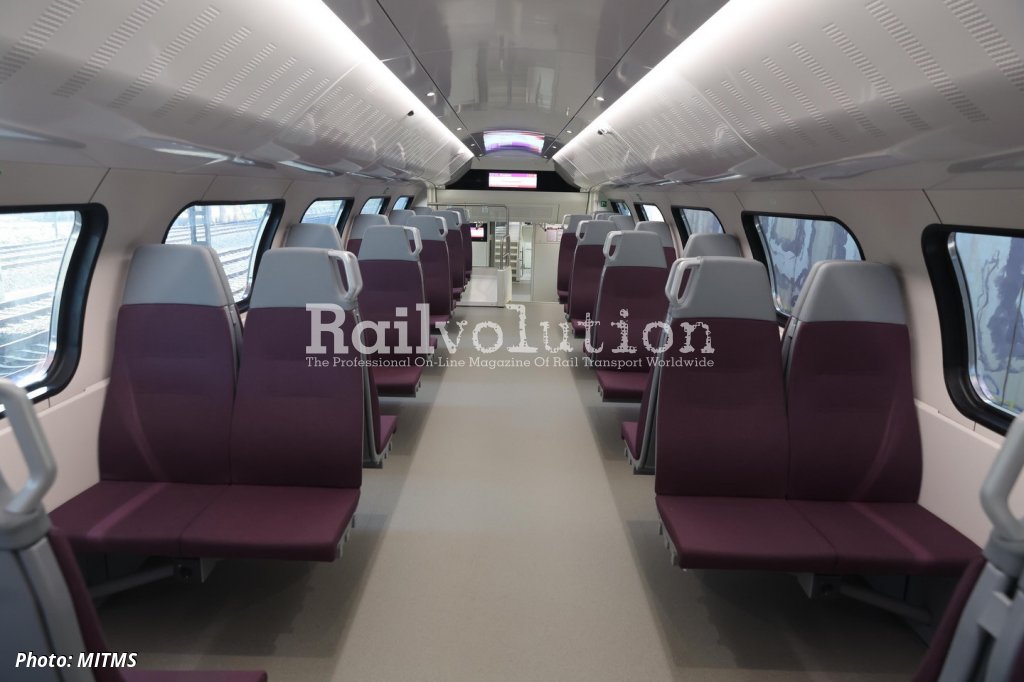
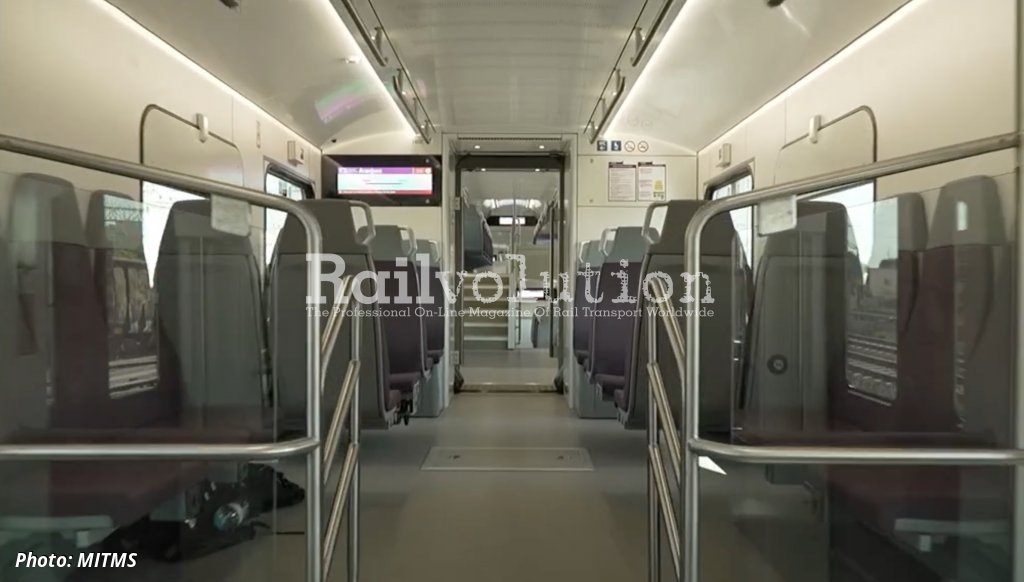
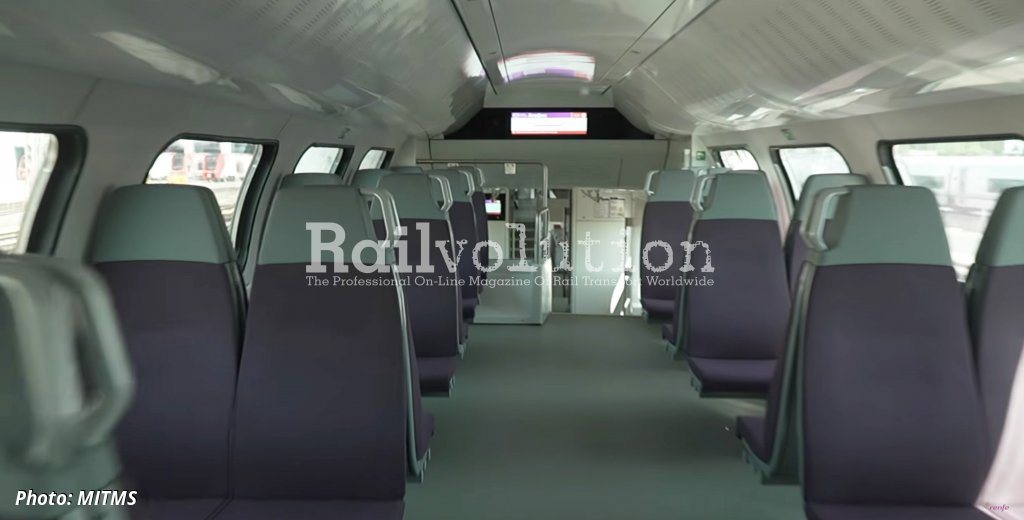
On 16 May 2026, FLIRT/KISS 453 001 made the journey from Stadler’s new test centre in Albacete to Fuencarral depot in Madrid, for the start of driver training in readiness for the putting into service of these new EMUs. This is now scheduled for the third quarter of 2026. The trains were homologated at the beginning of May by AESF, but subject to the ERA approval process. There are three 453s in Madrid at present, and all three are owned by Renfe.
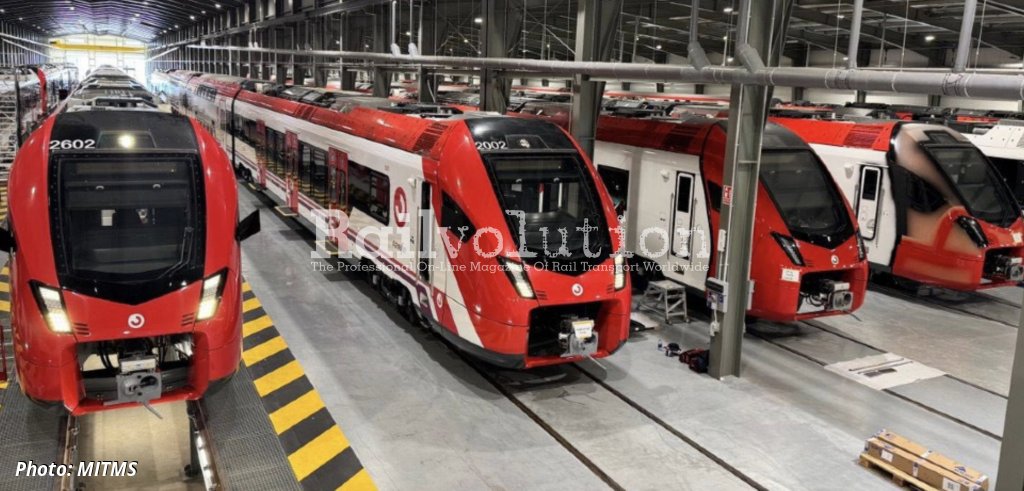
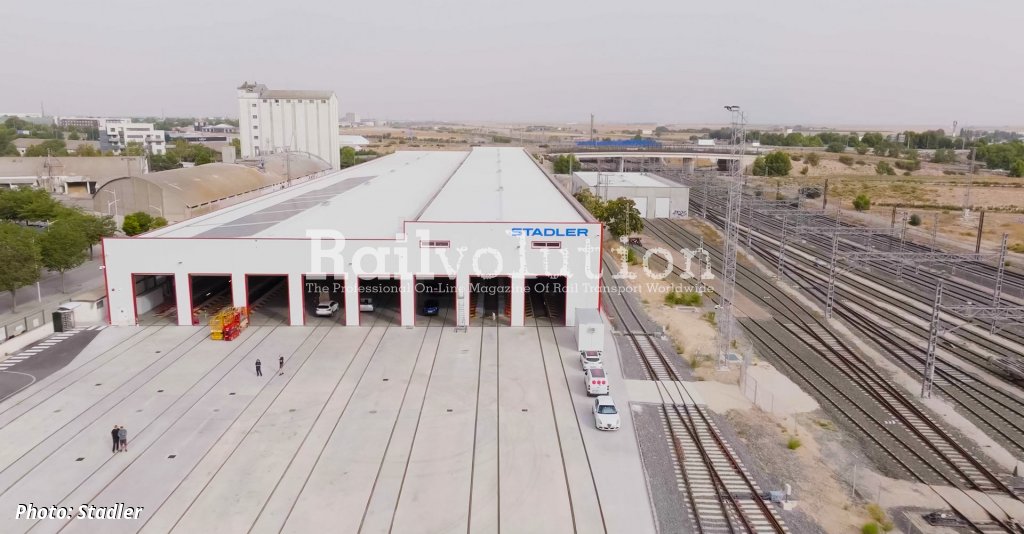
The Stadler test centre in Albacete consists of an 11 000 m2 main hall and various other buildings, on a 40 000 m2 site in the north of the city, not far from Albacete-Los Llanos station, and about 4 km south of Adif’s La Gineta testing base, recently used for the testing of variable gauge wagons. Albacete is a very convenient location for such a testing base, since it is situated on the conventional Madrid to València main line, immediately to the north of the main station. In the late 1990s many sections of this line were upgraded for 200 km/h running. Access from 1,668 mm track is feasible.
Work started on building the 22 million EUR test centre early in 2024, and by late spring 2025 it was nearing completion. It was not put into use in the second half of 2025, with the arrival of the Class 453 EMUs. The entre has around 80 full-time employees, and it is likely that as testing activities evolve there it will also generate more indirect employment in and around Albacete. It is intended that all vehicles leaving the factory in Albuixech will be put through the final four of the eight stages of testing required in Albacete.
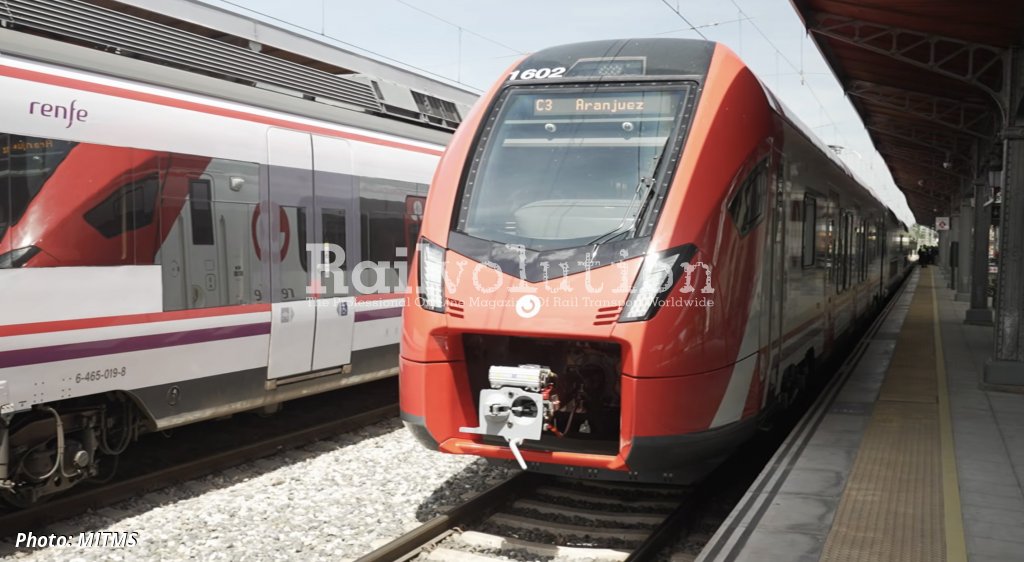
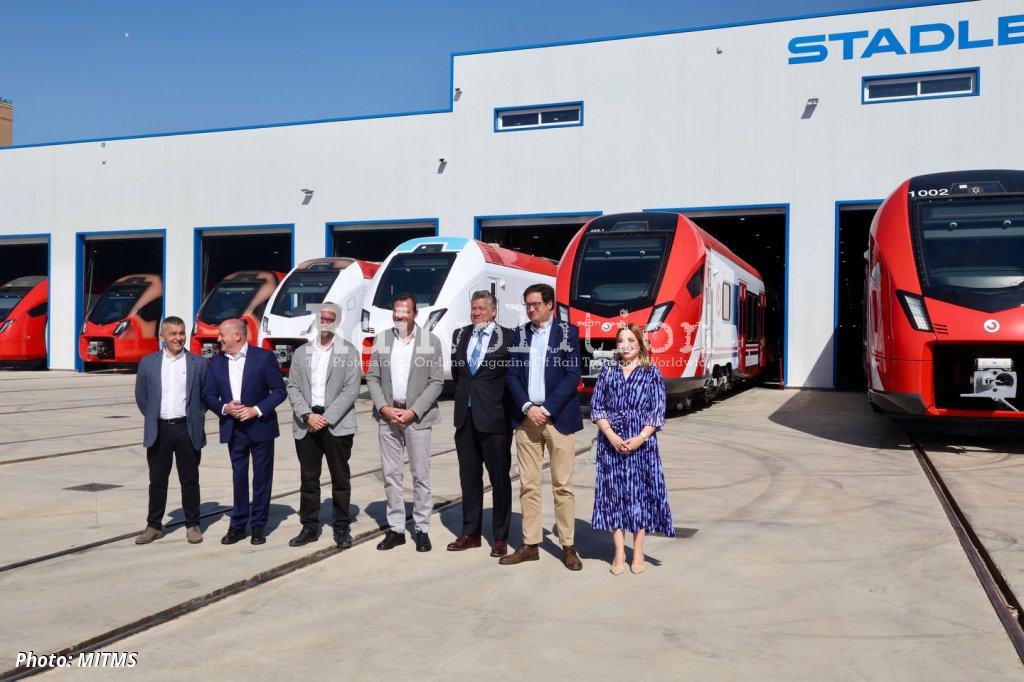
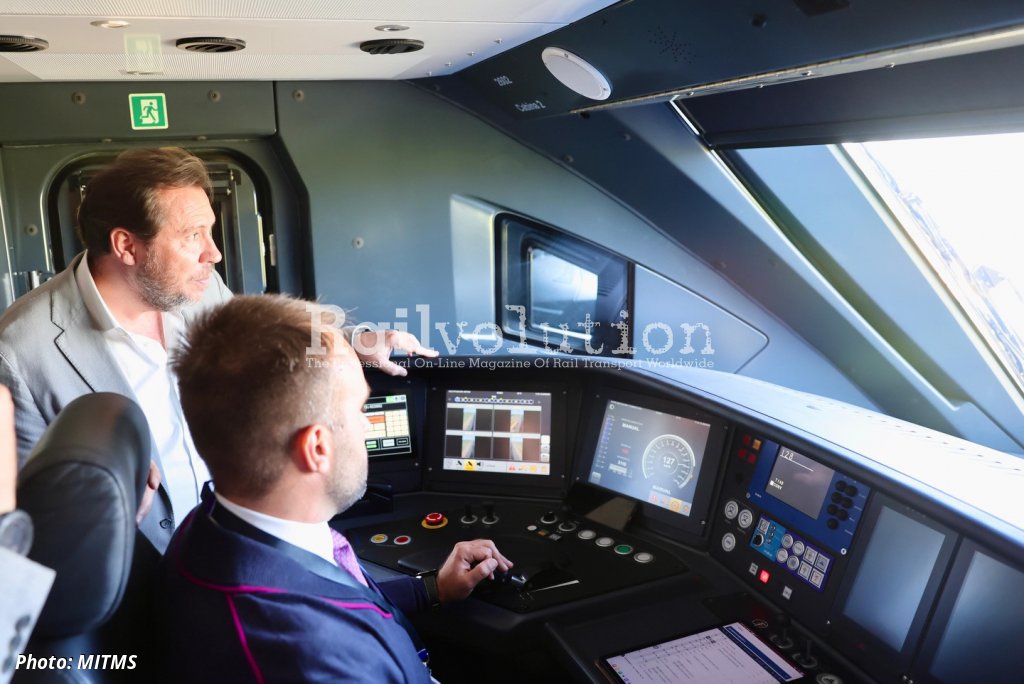
On 20 April 2026, Óscar Puente, minister of MITMS (Ministerio de Transportes y Movilidad Sostenible) visited the test centre, which now accommodates five 453s, and travelled on eight-car 453 602 to Aranjuez and back. The 79 140 km/h trains on order for 1.306 billion EUR will eventually be deployed on all 1,668 mm gauge lines in the Madrid Cercanías network, though 35, acquired at a cost of 600 million EUR, are to be allocated specifically to Line C-5 (Móstoles to Humanes), which is currently being upgraded in readiness. Here they will replace EMUs which are now over 30 years old, and will result in a 60 % increase in passenger capacity. However, the upgrade of the line, including platform lengthening and the installation of ERTMS Level 2, will not be completed until the end of 2031.
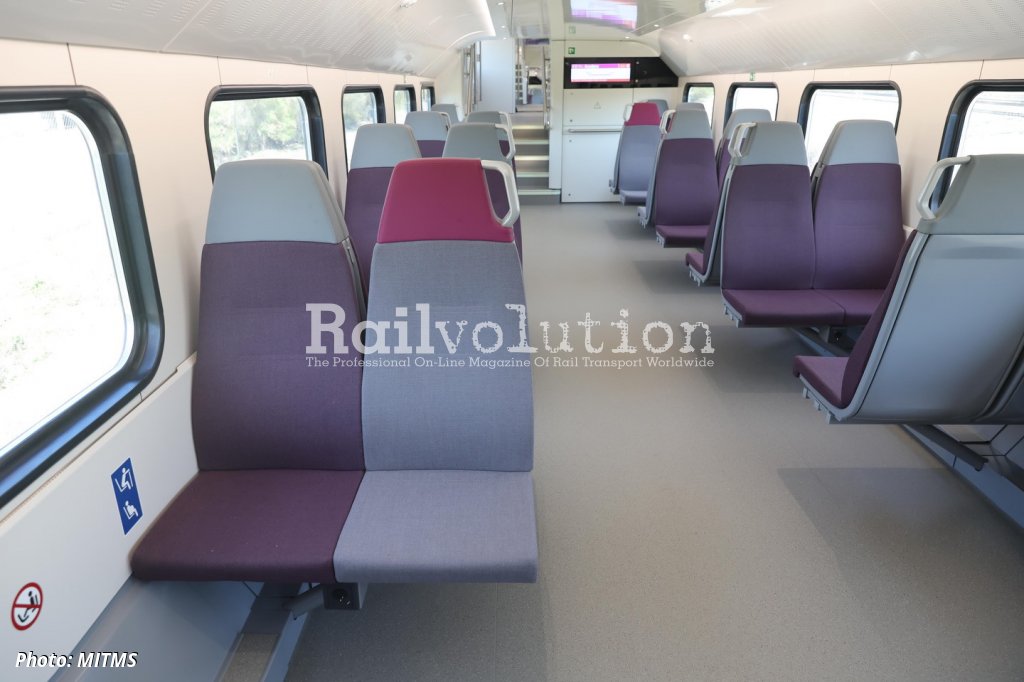
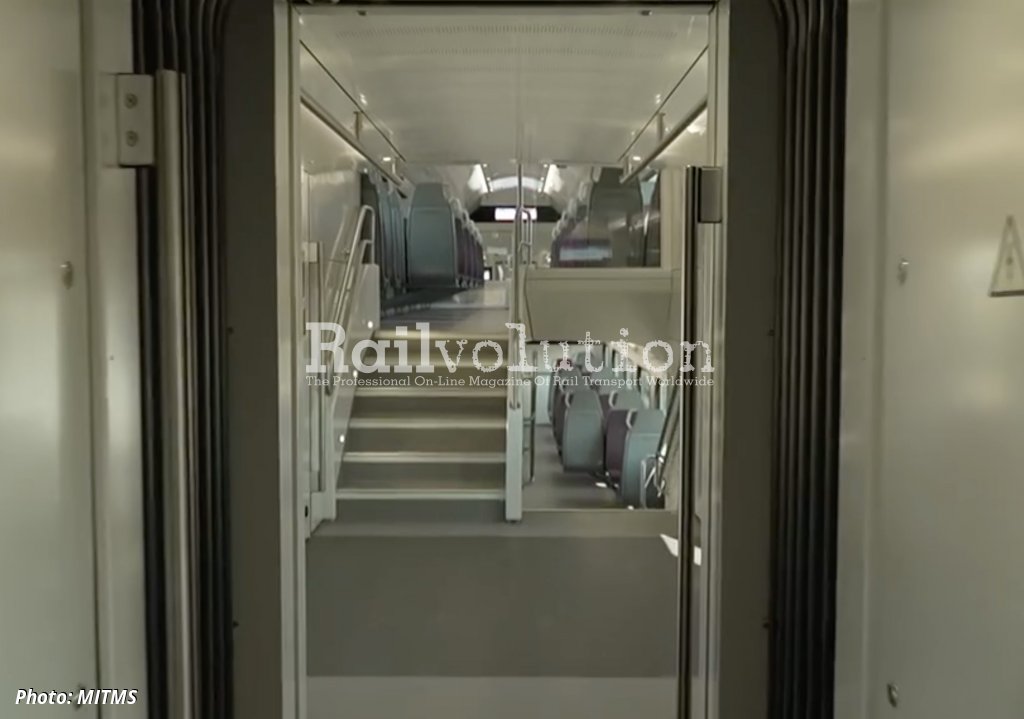
Three formations are envisaged, four-car Class 453.0, six-car Class 453.6 and eight-car Class 453.6, although Stadler’s designations are T100 (four cars), T120 (five cars) T160 (six cars) T200 (eight cars) and T240 (ten cars), referring to length. So far the three following formations are known in detail:
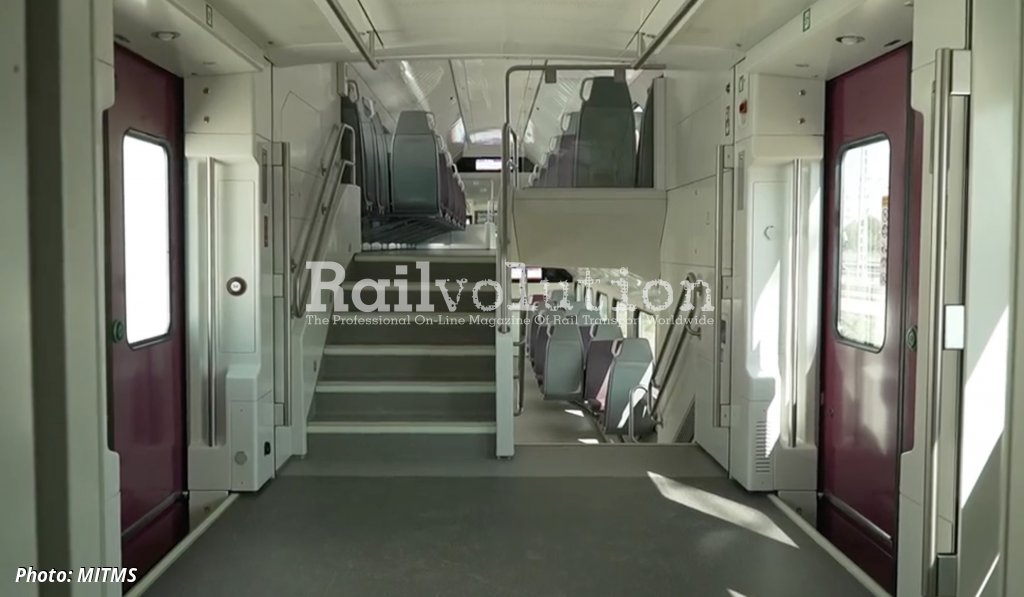
- 453.0 (T100): second and third cars double deck, total passenger capacity 912. The first in the batch, used since mid-August 2024 on test runs, carries the EVNs:
94-71 1 453 001-9,
94-71 3 453 001-5,
94-71 3 453 002-3,
94-71 2 453 001-7.
- 453.6 (T160): the first in the six-car batch, also used for testing since 2024, carries the EVNs:
94-71 1 453 601-6,
94-71 3 453 601-2,
94-71 4 453 601-0,
94-71 4 453 602-8,
94-71 3 453 604-6,
94-71 2 453 601-4.
- 453.6 (T200): the first in the eight-car batch, total passenger capacity 1,884, has been used for testing since 2025, The second, third, sixth and seventh cars are double deck. EVNs of the batch will be in this sequence:
94-71 1 453 6xx-x,
94-71 3 453 6xx-x,
94-71 3 453 6xx-x,
94-71 4 453 6xx-x,
94-71 4 453 6xx-x,
94-71 3 453 6xx-x,
94-71 3 453 6xx-x,
94-71 2 453 6xx-x.
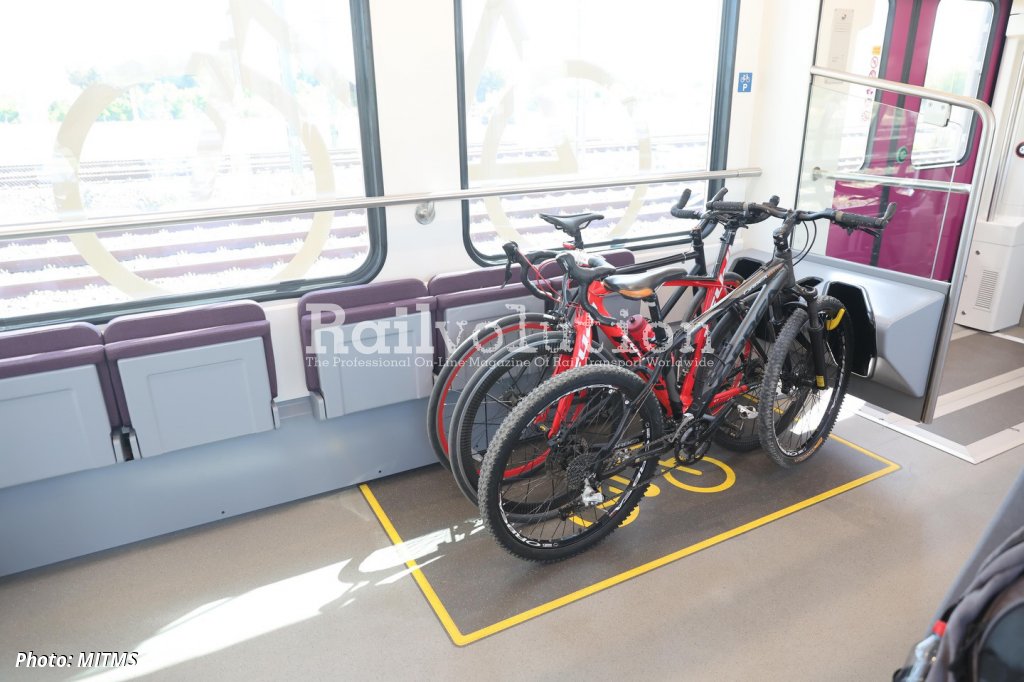
A feature of all the trains is their capacity for bike (Madrid has a large number of cyclepaths) - the T100 formations will have space for six bikes, while the T200s will be able to accommodate up to 18. Boarding is step-free at platform level in all cars.
The new fleet will, eventually, result in an increase of 205 in Renfe’s Cercanías de Madrid fleet. Once the first five 453s from Albacete have been handed over, deliveries are to continue so that by the end of the year there will be nine four-car T100 trains in service, together with eight T200 formations.
